Are ears and eyes necessary for spatial orientation?
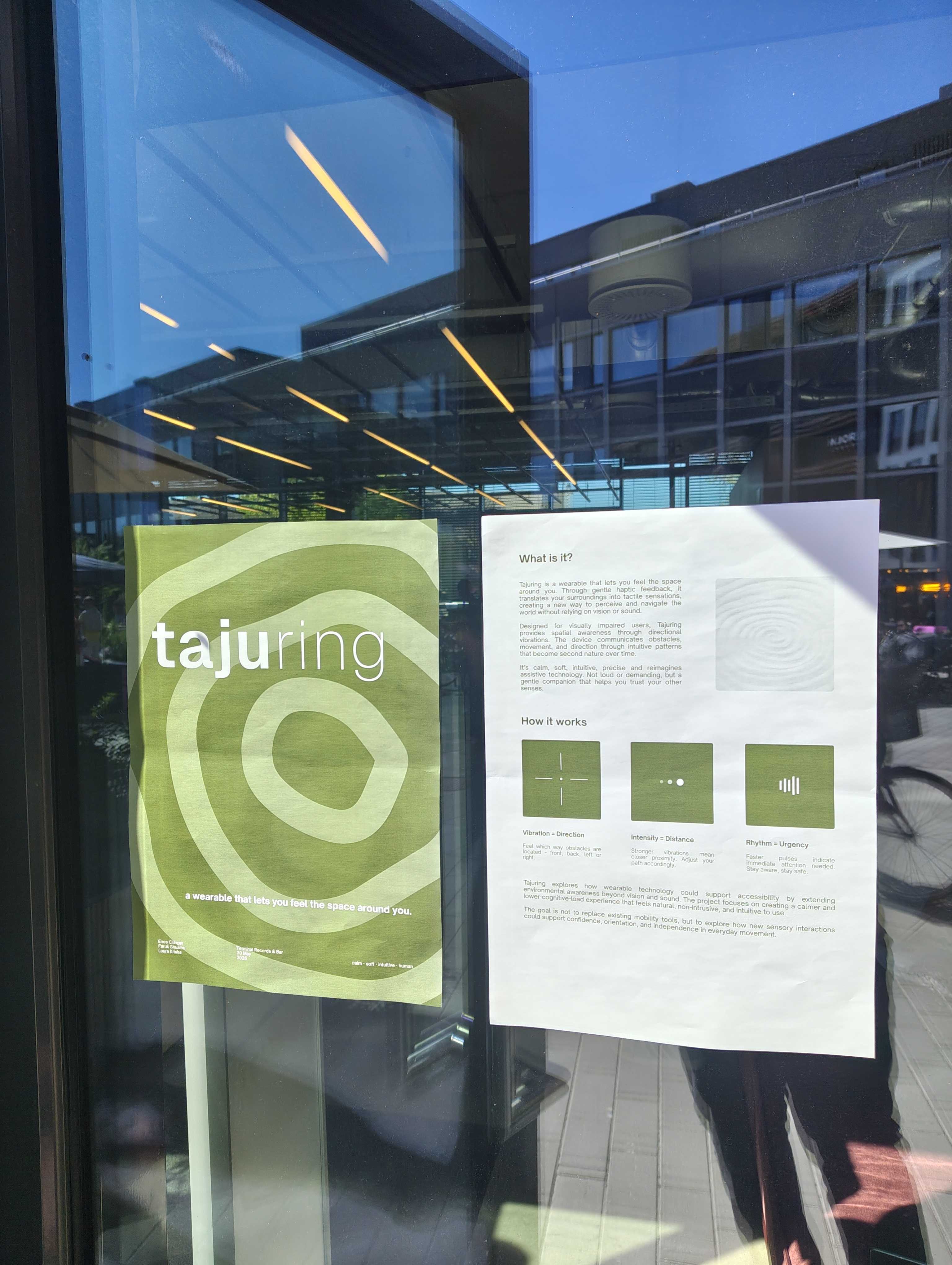
A four-week sprint at Eesti Kunstiakadeemia — one question, one constraint: design for the space a white cane cannot reach.
Context
Orientation should not be a privilege. A white cane tells you what's on the ground. It can't see the sign at chest height, the person approaching from behind, or the crowd closing in. That gap has been unsolved for decades.
Every day, millions of people navigate cities with a tool designed in the 1930s. Solutions have emerged since, but most rely on audio feedback, look clinical, or aren't built for real life. The result is a constant state of alertness that never fully switches off. 54% experience a head-level collision at least once a year. 43% permanently change the way they walk afterward. What if your body could simply feel what your eyes can't see?
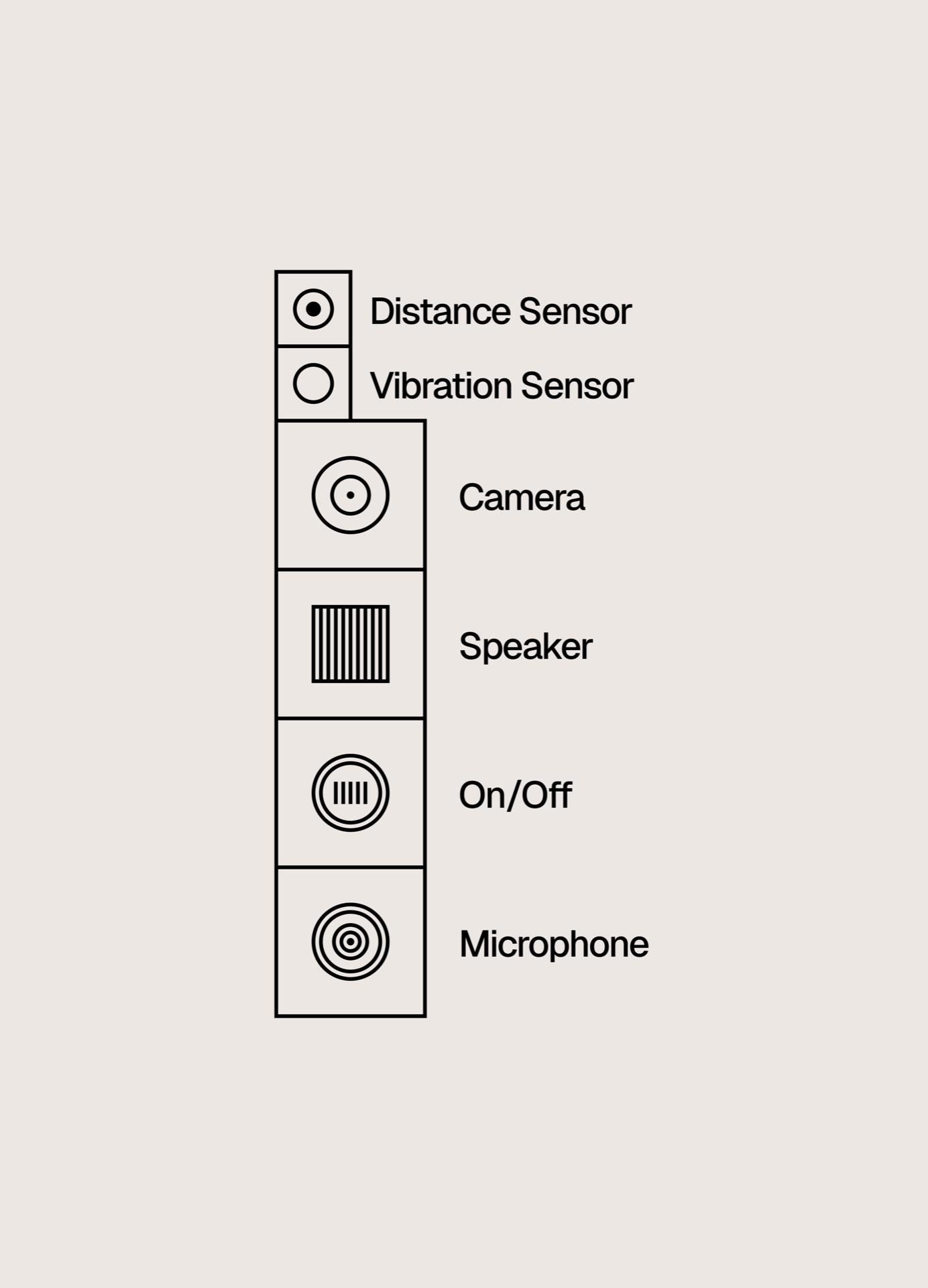
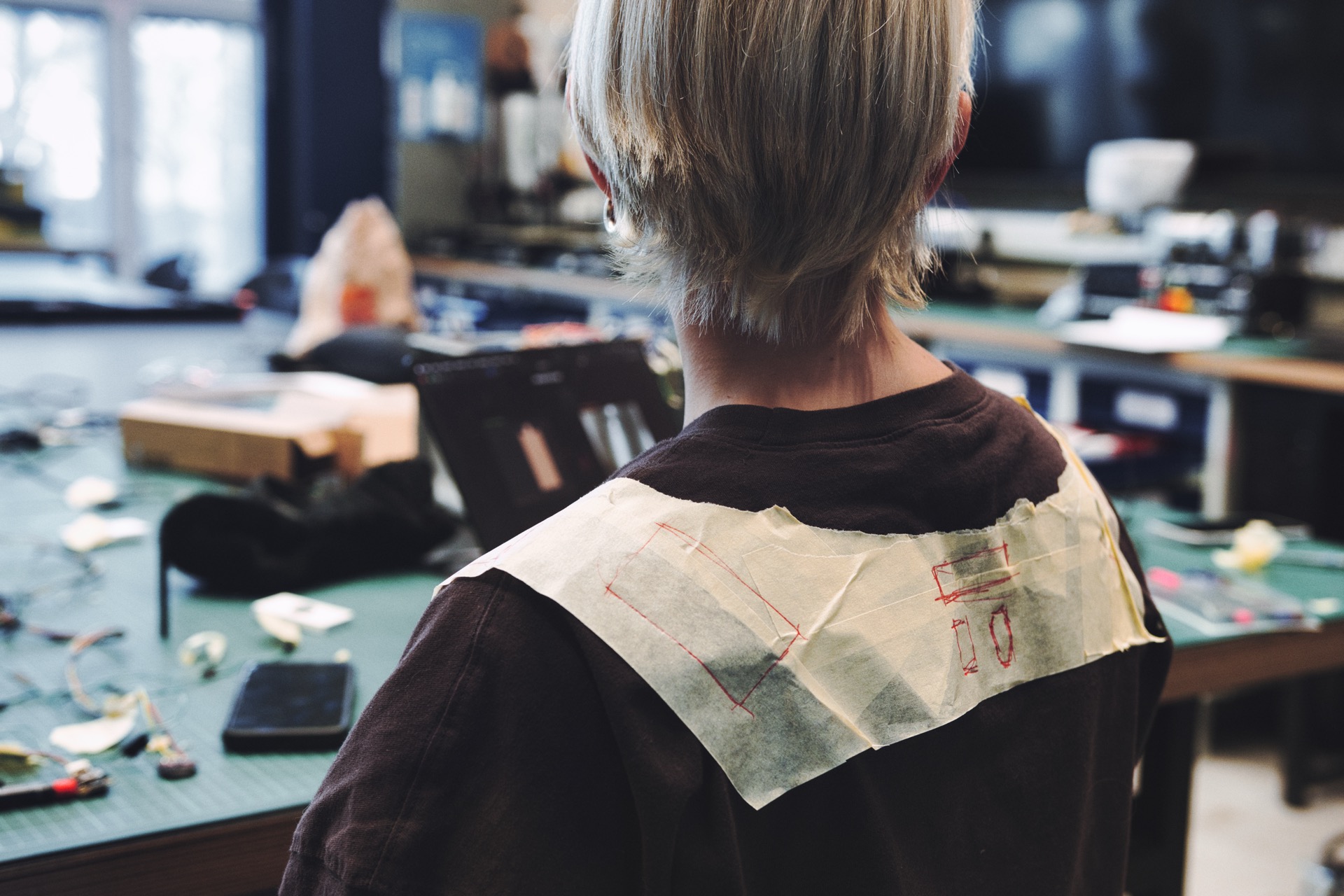
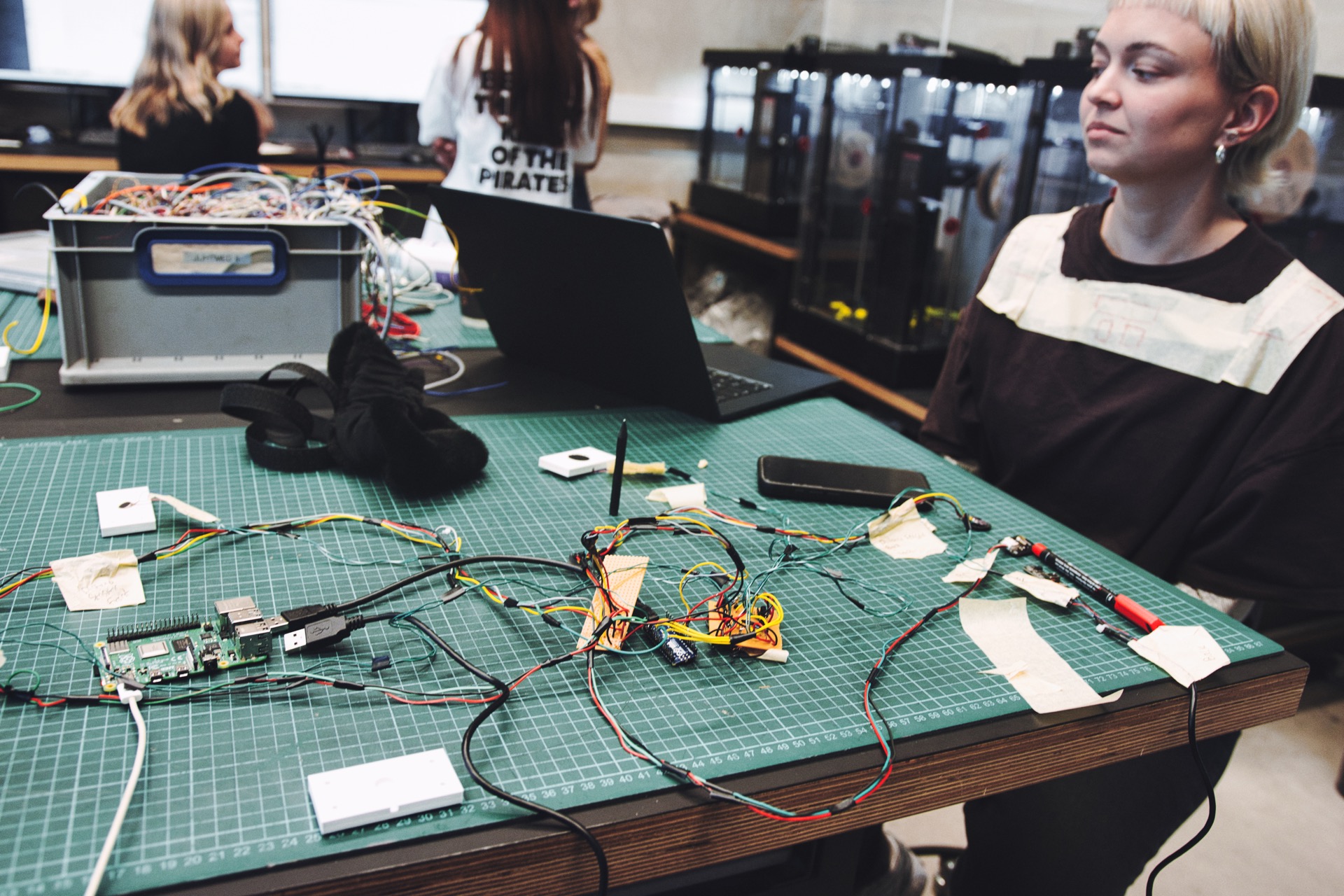
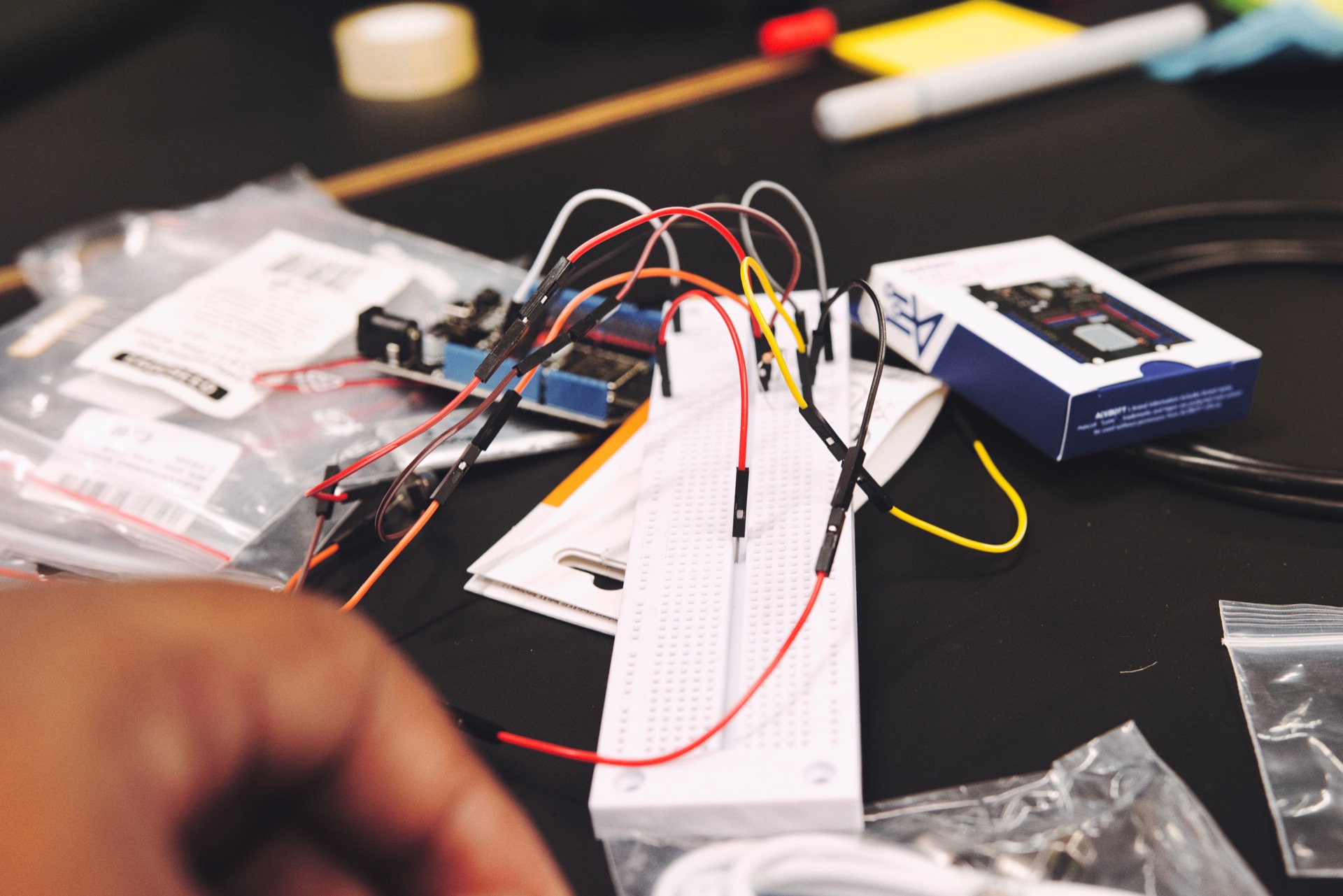
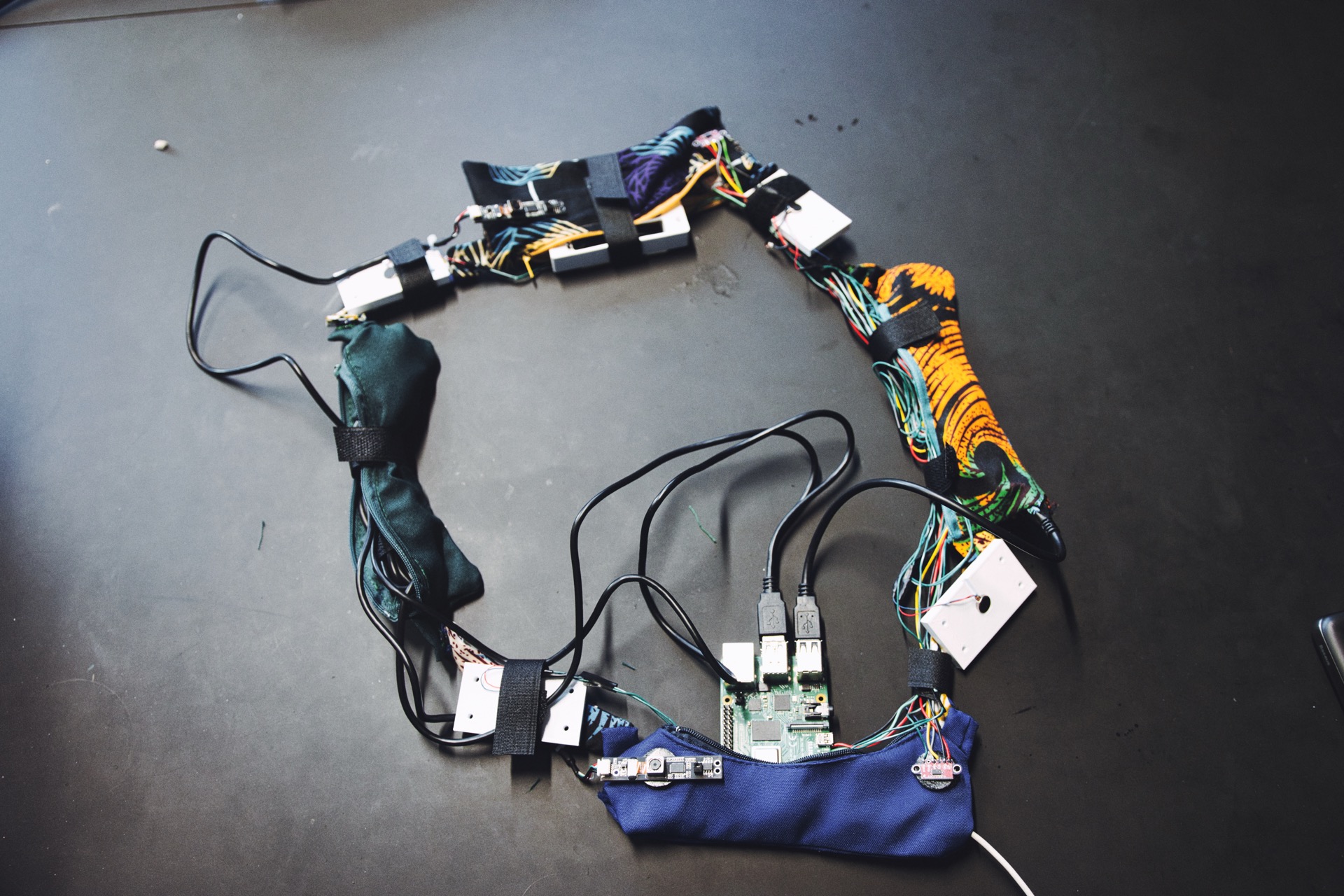
The first prototype was worn on the body, not admired on a desk. Cardboard, tape, sensors at chest height — clumsy, but enough to feel what vibration might mean when your cane runs out of information.
Research
We went looking for answers. We found something more important. The greatest sacrifice is the renunciation of solitude.
The research kept returning to one word. not safety, not navigation. Freedom. The freedom to walk alone, without running a constant calculation in your head.
In a world built for sighted people, blindness forces a life marked by uncertainty. Not occasionally — every single day.
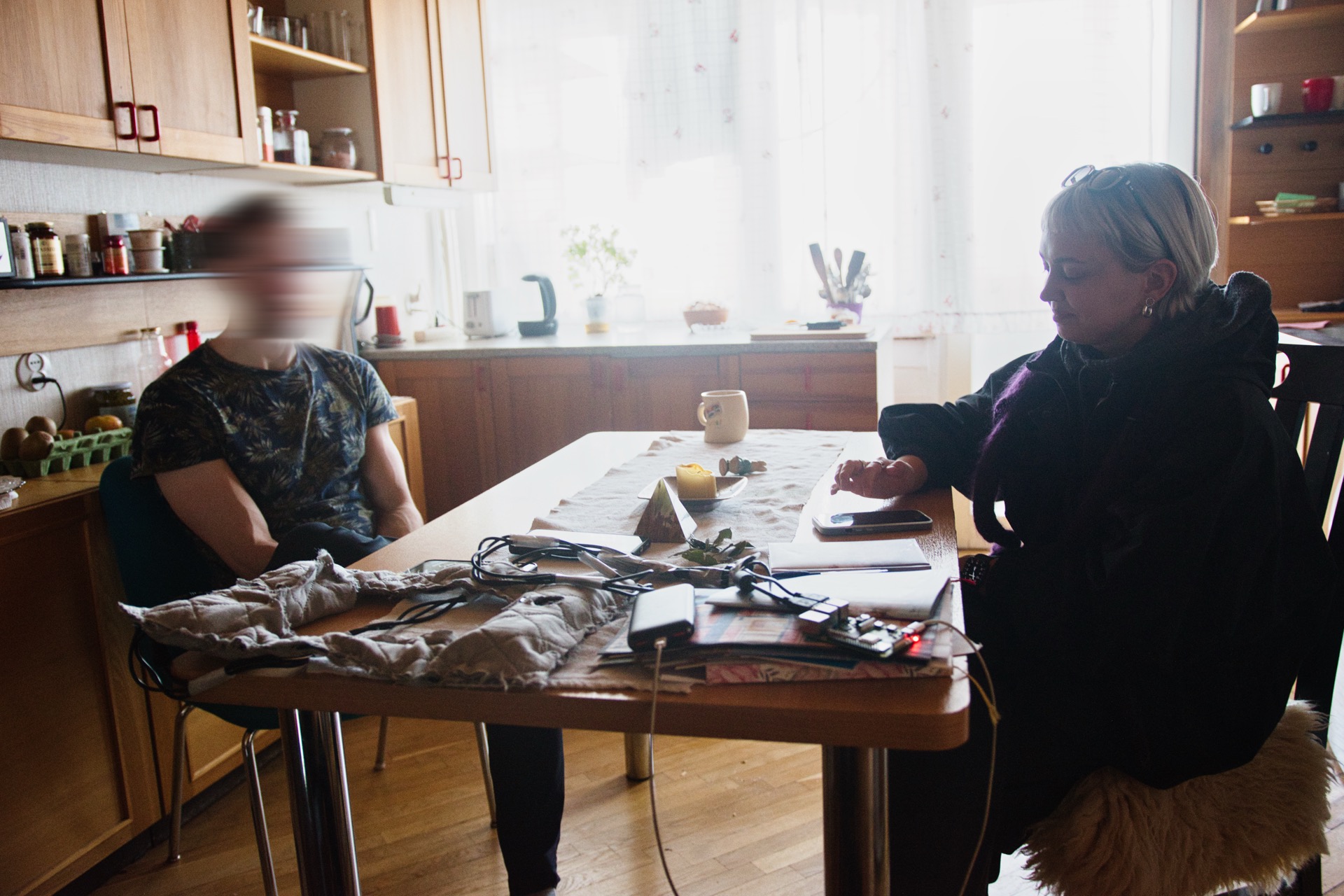
Sitting down with participants changed the brief entirely. They didn't describe missing technology — they described missing quiet. A life where every outing is planned, accompanied, or postponed.
Journeys
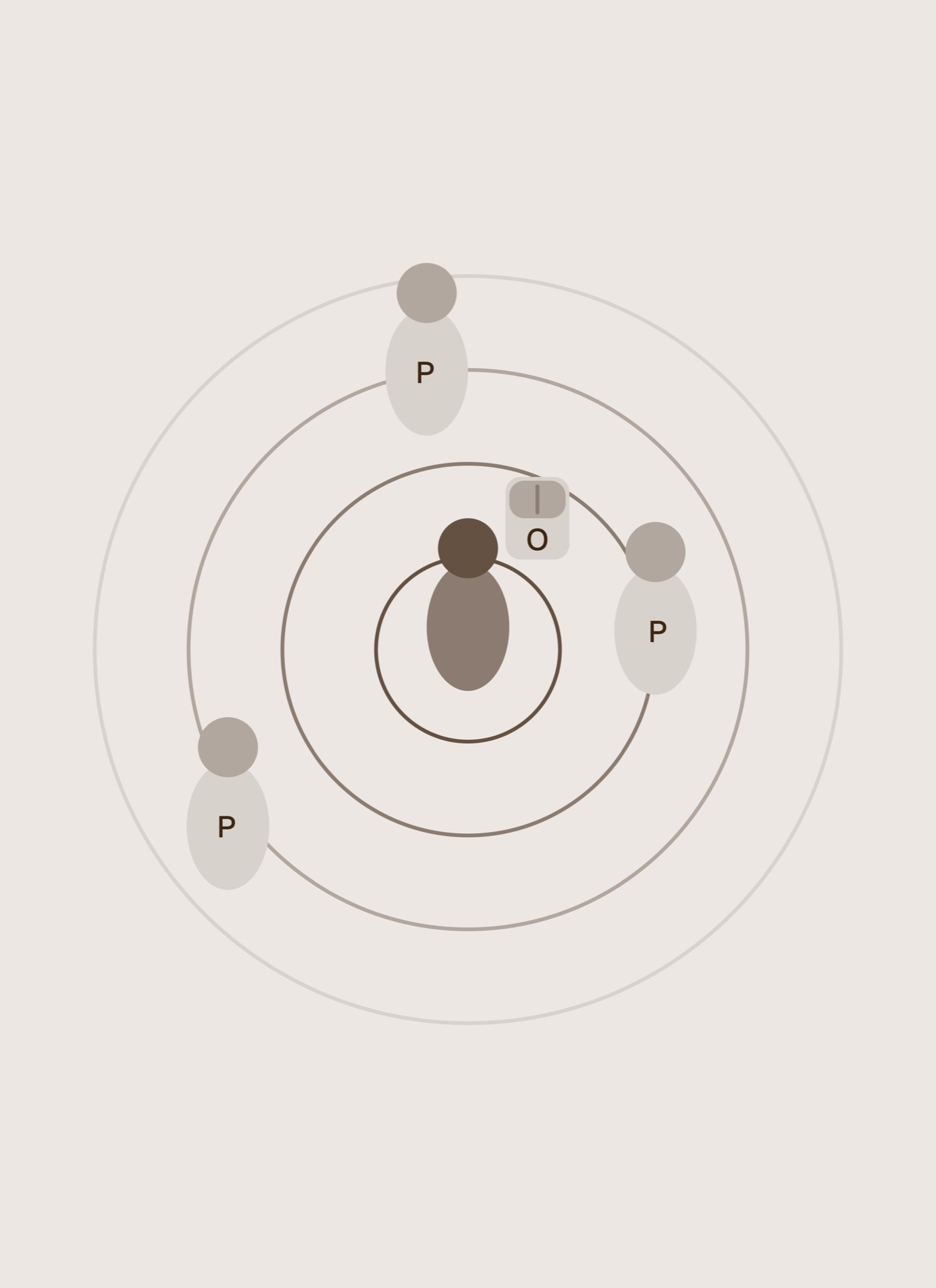
We mapped two ordinary journeys. What we found wasn't a technical problem — it was a mental one.
Walking to a bus stop. Passing a blocked sidewalk. Both scenarios revealed the same pattern: the uncertainty never switches off.
Every step is an active decision. That exhaustion is invisible from the outside and completely real from within.
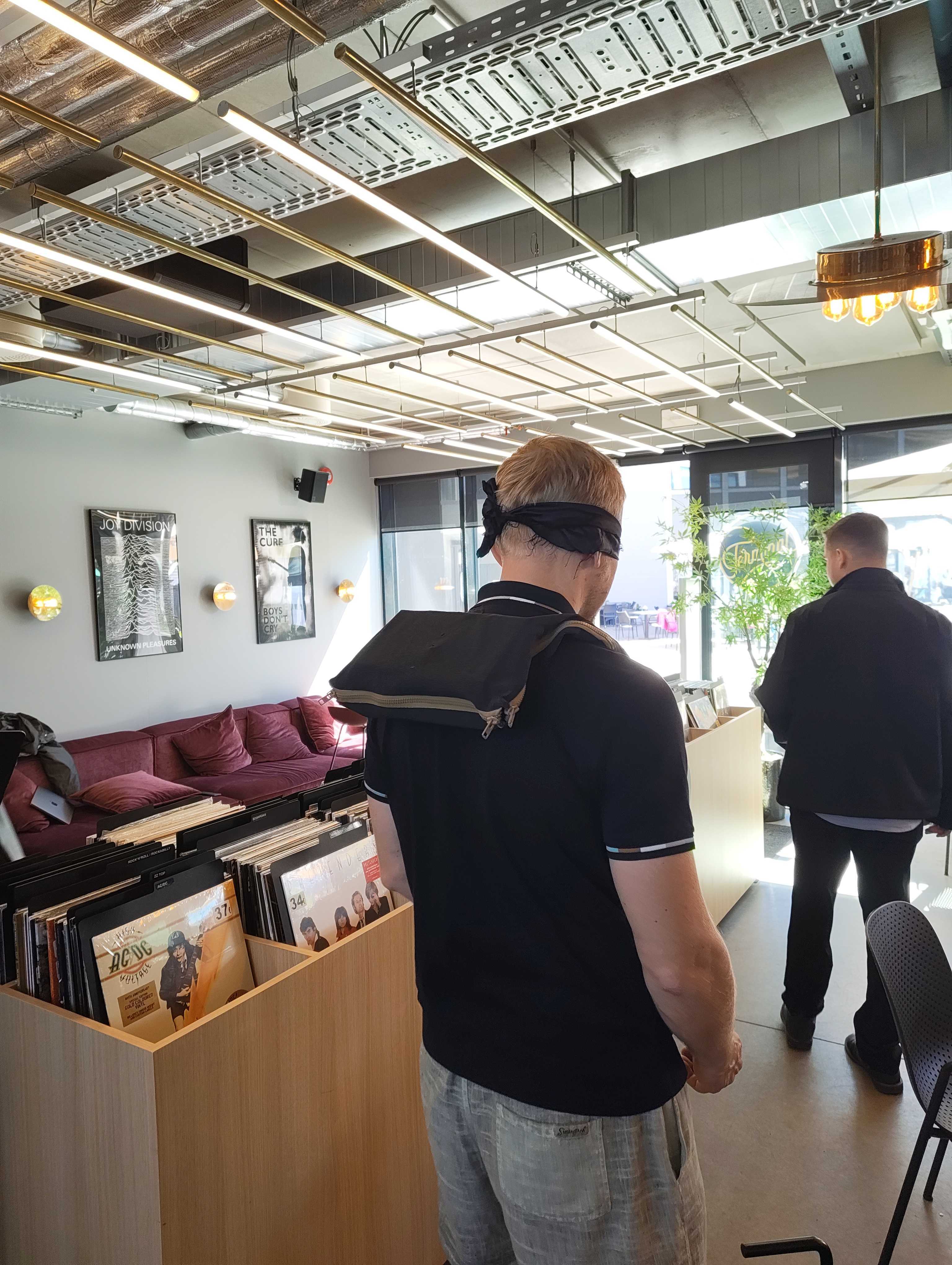
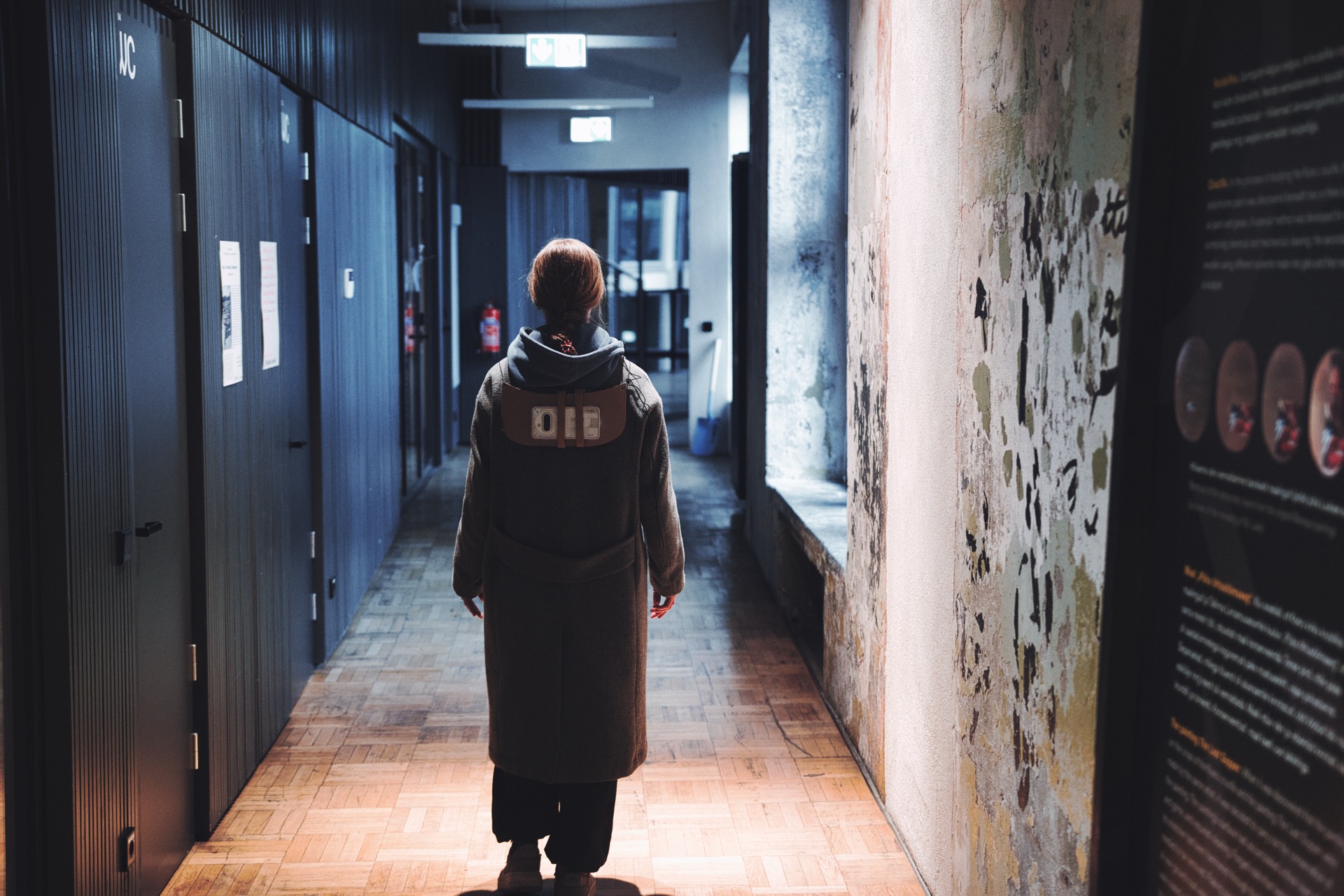
We walked the routes ourselves — blindfolded, with a cane, counting every moment the environment stopped giving clear answers. The hallway felt longer than it looked on a map.
People
We spoke with blind and low-vision participants — mapping routes, obstacles, and the mental load of moving through cities built for sighted people.
We didn't run a focus group behind a table. We walked their routes with them and asked them to stop us the moment something felt wrong — a blocked path, a too-narrow doorway, a turn that made no sense without sight.
Again and again, the conversation came back to solitude. Not getting lost, but never moving through the city without someone watching. A companion helps. An audio alert in your ear does not replace that.
Nobody asked for another clinical gadget. They wanted something they could wear without explaining themselves — quiet, everyday, and honest enough to trust on a Tuesday morning commute.
Process
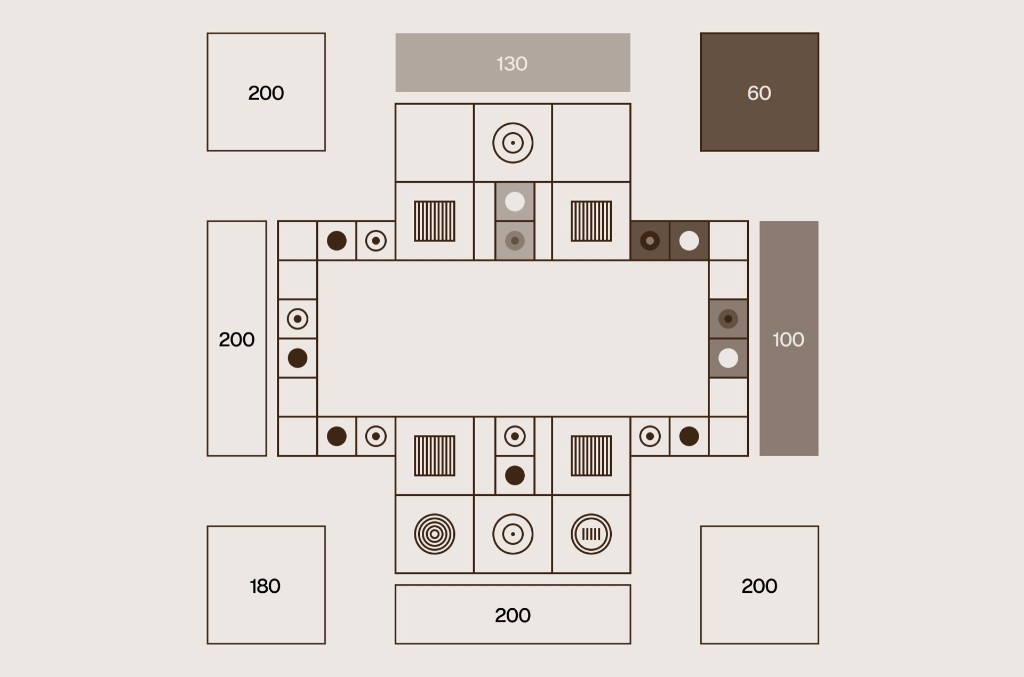
From spatial journey diagrams and paper prototypes to a wearable necklace form — testing how haptic feedback could extend what a cane cannot reach.
We mapped two ordinary journeys first — bus stop, blocked sidewalk — marking every point where certainty drops away. Not as a diagram exercise, but as a record of mental load.
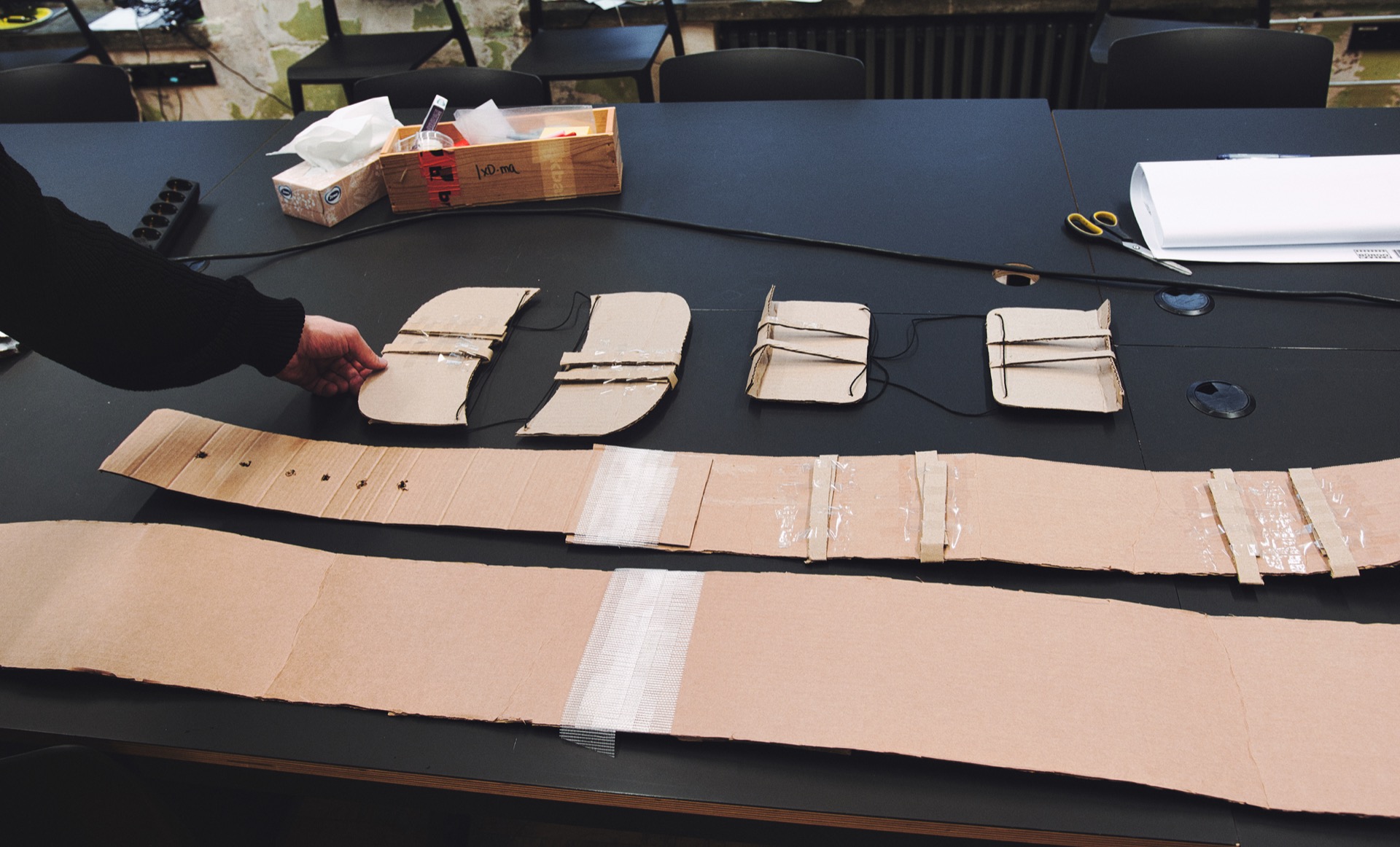
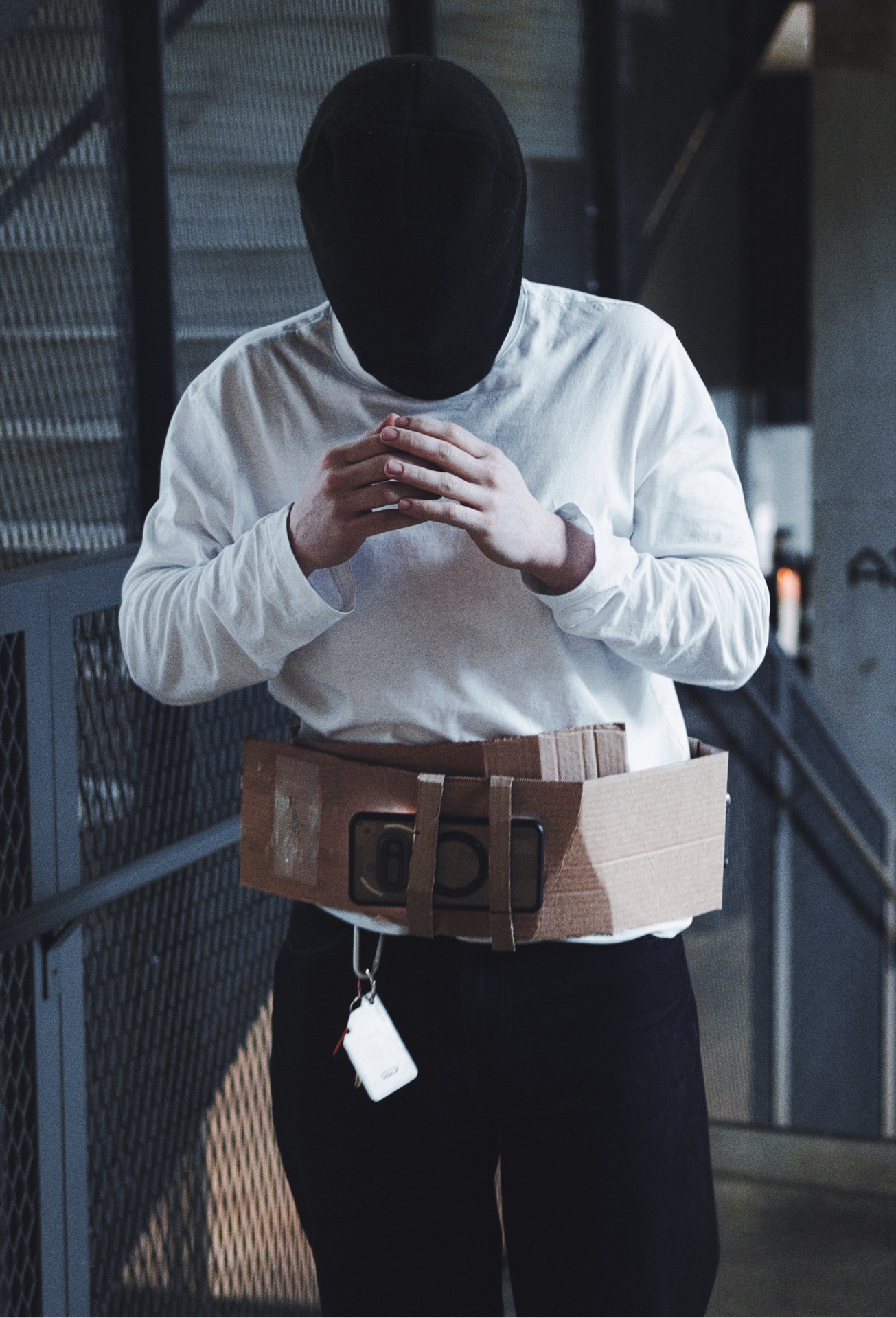
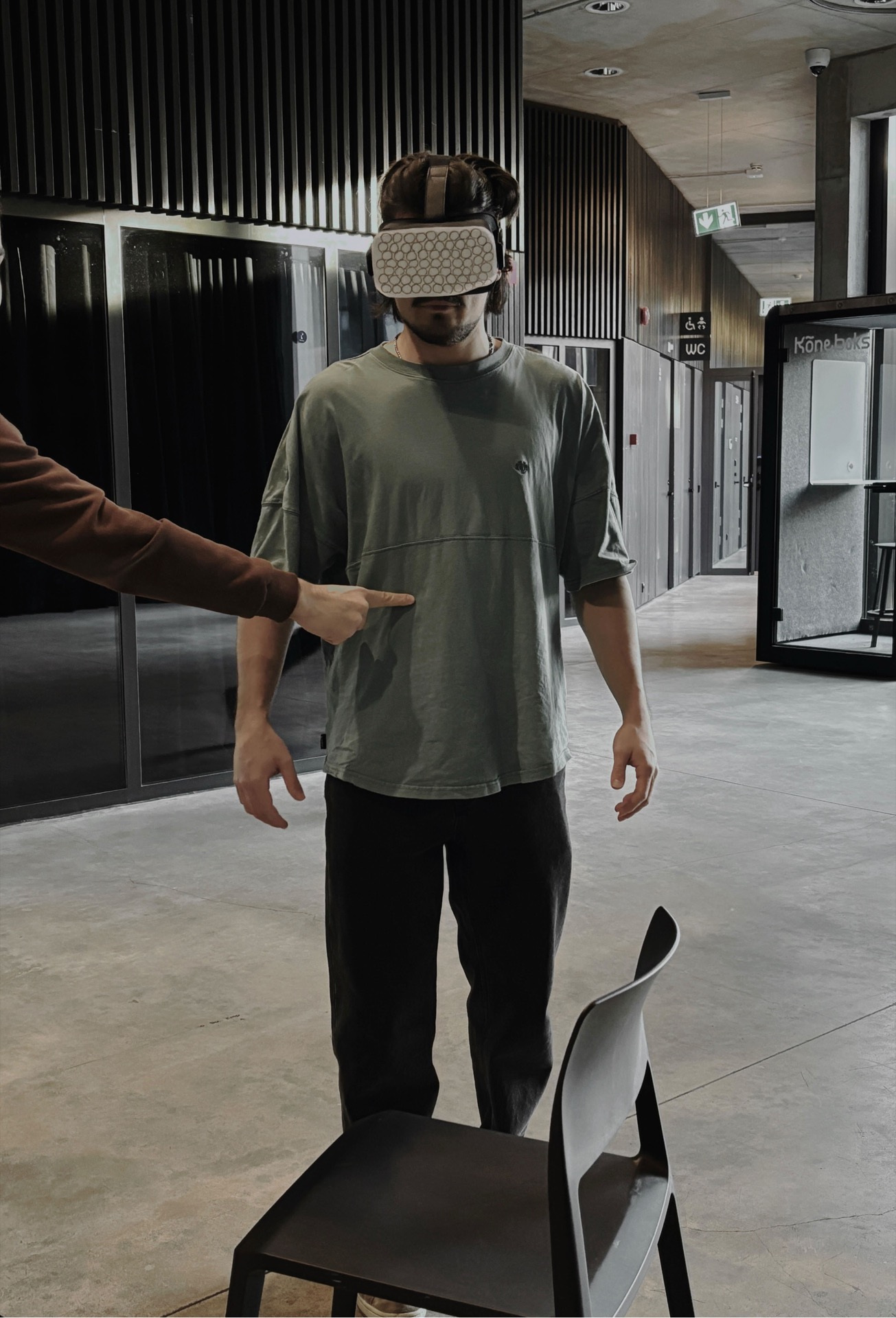
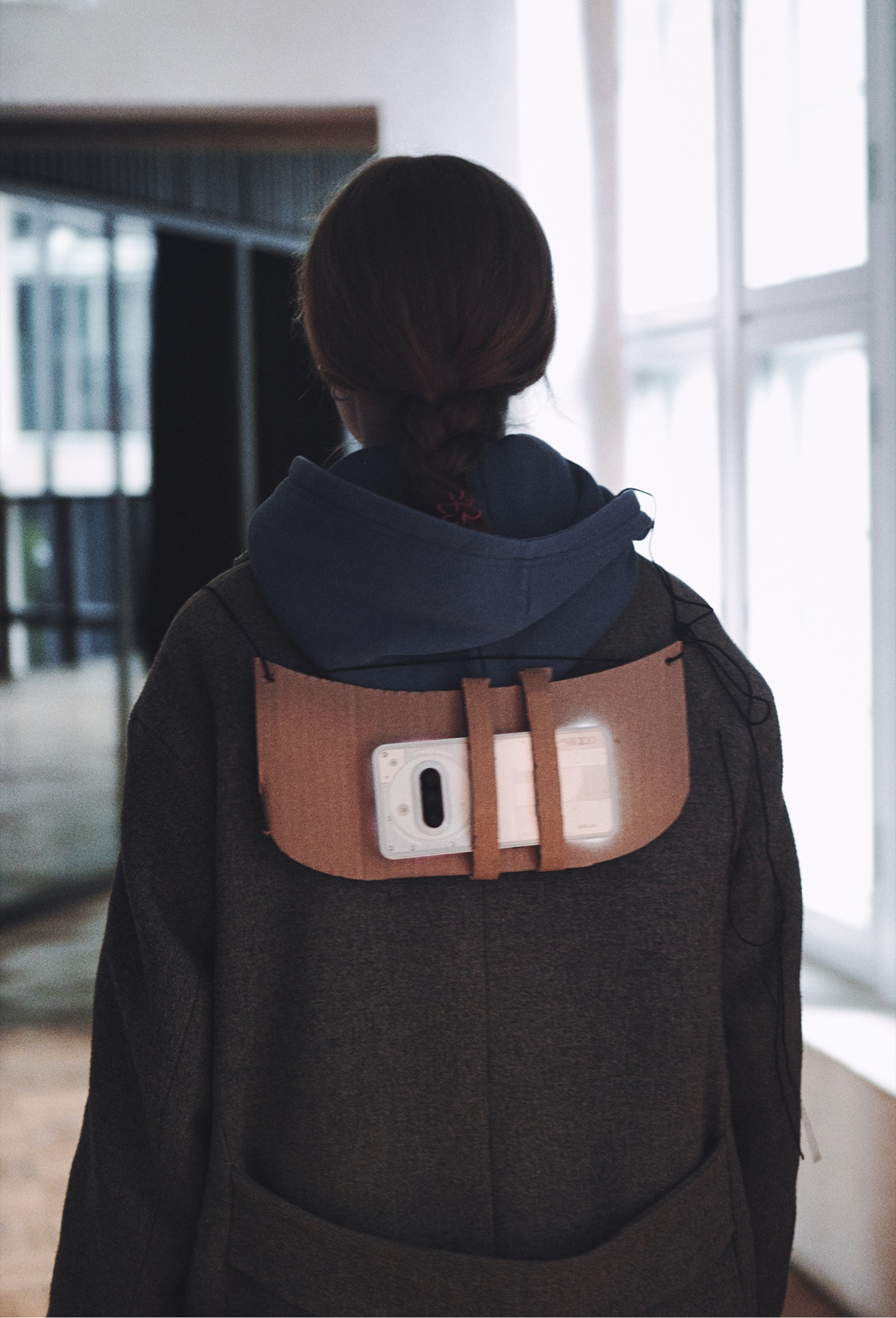
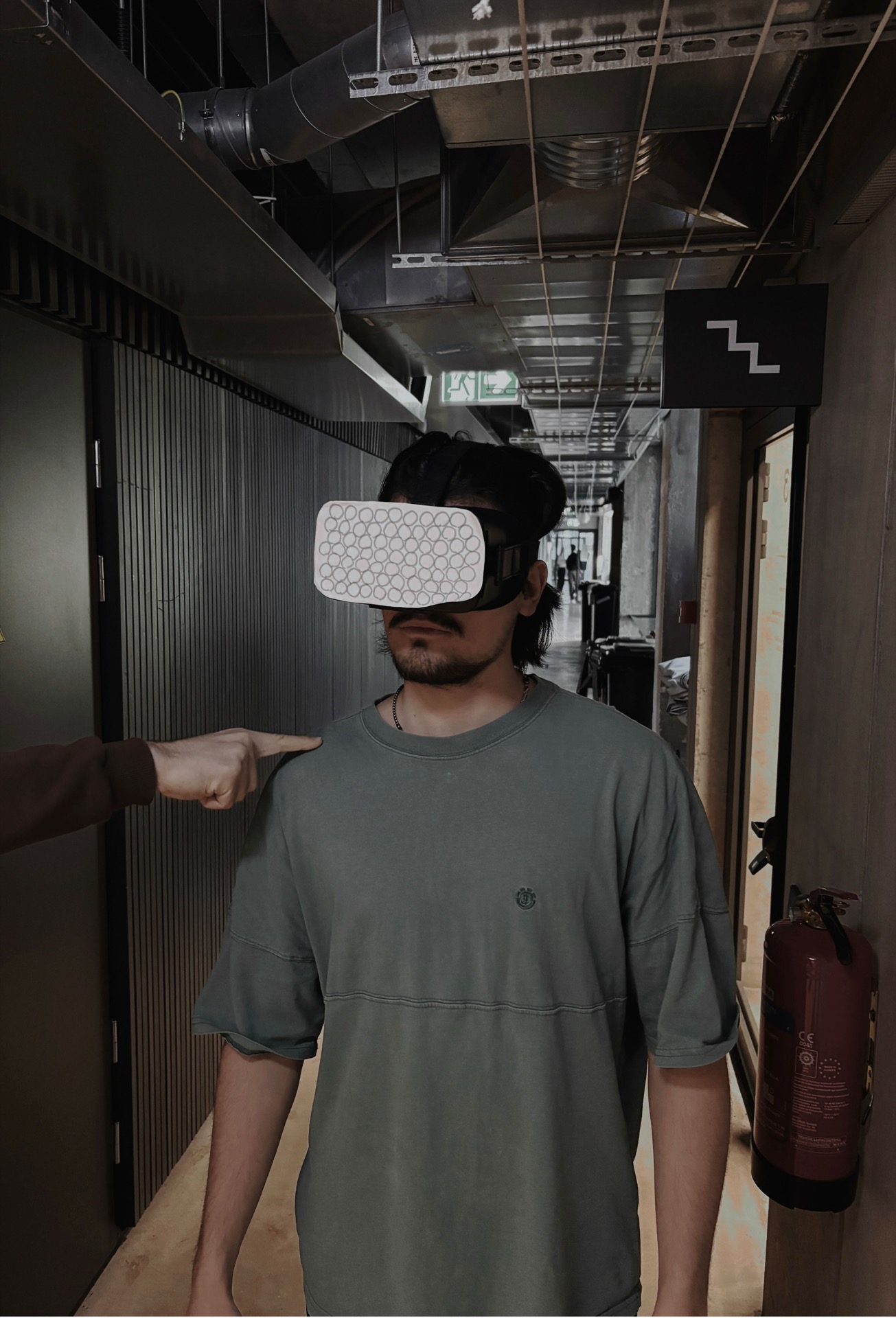
Then came the rough builds: cardboard belts, phones strapped to our chests, vibration patterns for left, right, stop. Fast, ugly, and exactly what we needed to learn what the body could interpret without looking.
The necklace form arrived last. It sits where a cane goes blind — chest height, shoulder width — translating space into touch instead of sound.
Are ears and eyes necessary for spatial orientation?
A four-week sprint at Eesti Kunstiakadeemia — one question, one constraint: design for the space a white cane cannot reach.
Context
Orientation should not be a privilege. A white cane tells you what's on the ground. It can't see the sign at chest height, the person approaching from behind, or the crowd closing in. That gap has been unsolved for decades.
Every day, millions of people navigate cities with a tool designed in the 1930s. Solutions have emerged since, but most rely on audio feedback, look clinical, or aren't built for real life. The result is a constant state of alertness that never fully switches off. 54% experience a head-level collision at least once a year. 43% permanently change the way they walk afterward. What if your body could simply feel what your eyes can't see?
The first prototype was worn on the body, not admired on a desk. Cardboard, tape, sensors at chest height — clumsy, but enough to feel what vibration might mean when your cane runs out of information.
Research
We went looking for answers. We found something more important. The greatest sacrifice is the renunciation of solitude.
The research kept returning to one word. not safety, not navigation. Freedom. The freedom to walk alone, without running a constant calculation in your head.
In a world built for sighted people, blindness forces a life marked by uncertainty. Not occasionally — every single day.
Sitting down with participants changed the brief entirely. They didn't describe missing technology — they described missing quiet. A life where every outing is planned, accompanied, or postponed.
Journeys
We mapped two ordinary journeys. What we found wasn't a technical problem — it was a mental one.
Walking to a bus stop. Passing a blocked sidewalk. Both scenarios revealed the same pattern: the uncertainty never switches off.
Every step is an active decision. That exhaustion is invisible from the outside and completely real from within.
We walked the routes ourselves — blindfolded, with a cane, counting every moment the environment stopped giving clear answers. The hallway felt longer than it looked on a map.
People
We spoke with blind and low-vision participants — mapping routes, obstacles, and the mental load of moving through cities built for sighted people.
We didn't run a focus group behind a table. We walked their routes with them and asked them to stop us the moment something felt wrong — a blocked path, a too-narrow doorway, a turn that made no sense without sight.
Again and again, the conversation came back to solitude. Not getting lost, but never moving through the city without someone watching. A companion helps. An audio alert in your ear does not replace that.
Nobody asked for another clinical gadget. They wanted something they could wear without explaining themselves — quiet, everyday, and honest enough to trust on a Tuesday morning commute.
Process
From spatial journey diagrams and paper prototypes to a wearable necklace form — testing how haptic feedback could extend what a cane cannot reach.
We mapped two ordinary journeys first — bus stop, blocked sidewalk — marking every point where certainty drops away. Not as a diagram exercise, but as a record of mental load.
Then came the rough builds: cardboard belts, phones strapped to our chests, vibration patterns for left, right, stop. Fast, ugly, and exactly what we needed to learn what the body could interpret without looking.
The necklace form arrived last. It sits where a cane goes blind — chest height, shoulder width — translating space into touch instead of sound.