Getting first-time blood donors from maybe to booked
Pulse is an app concept for blood donation in Germany, made by three students at HfG Schwäbisch Gmünd in 2024 and 2025, without a client. It tells you whether you may donate, finds a slot nearby, moves the paperwork onto your phone, and lets you donate as a group.
Why banks stay empty
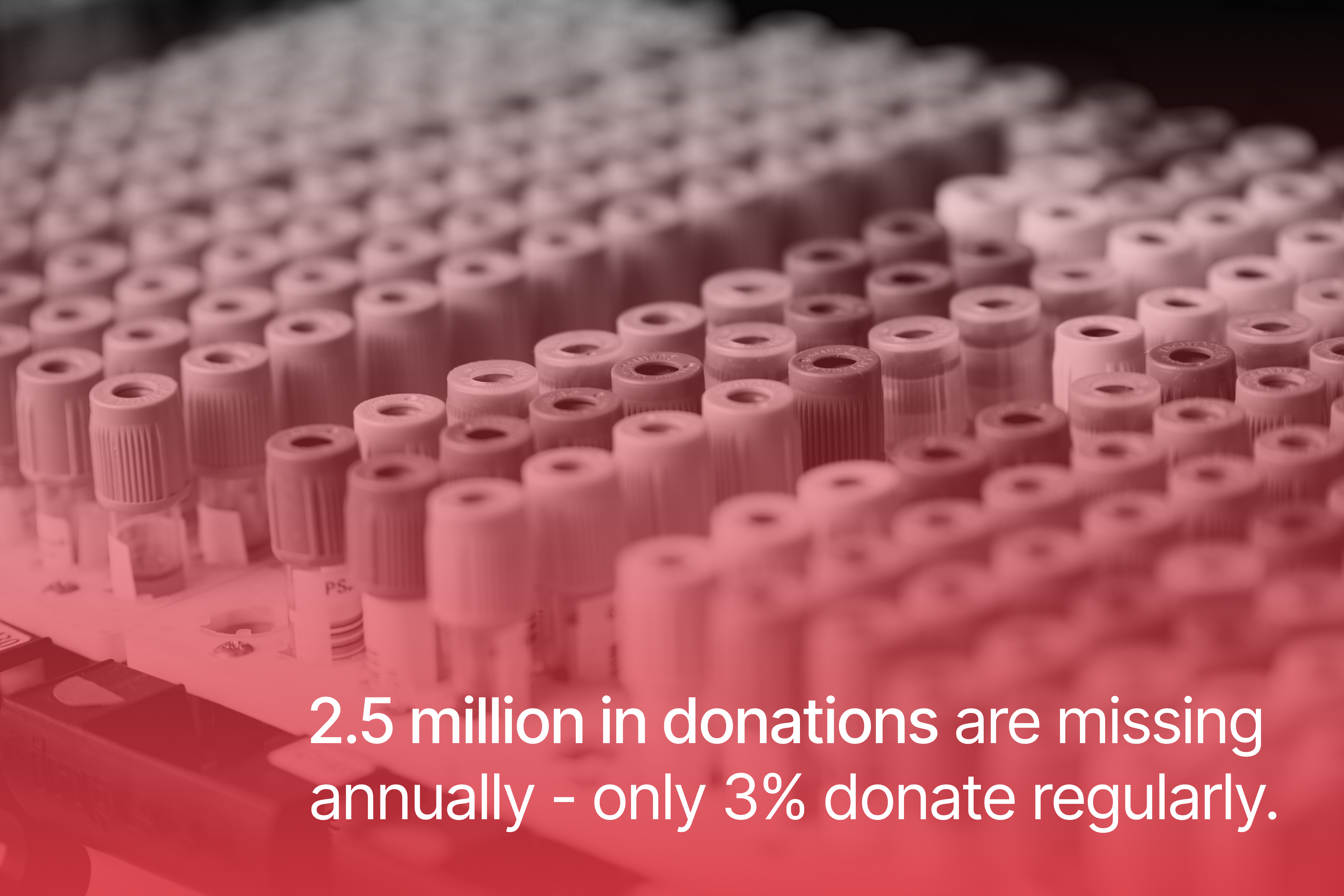
Germany is short about 2.5 million blood donations a year. Only 3 to 4% of people donate regularly, although around 30% could.
- 3 to 4% Donate regularly
- about 30% Could donate
Older people donate far more often than younger adults. If the system cannot win the next generation, the gap will only grow. So we designed for someone who has never donated and has no reason to start this week.
What we found out
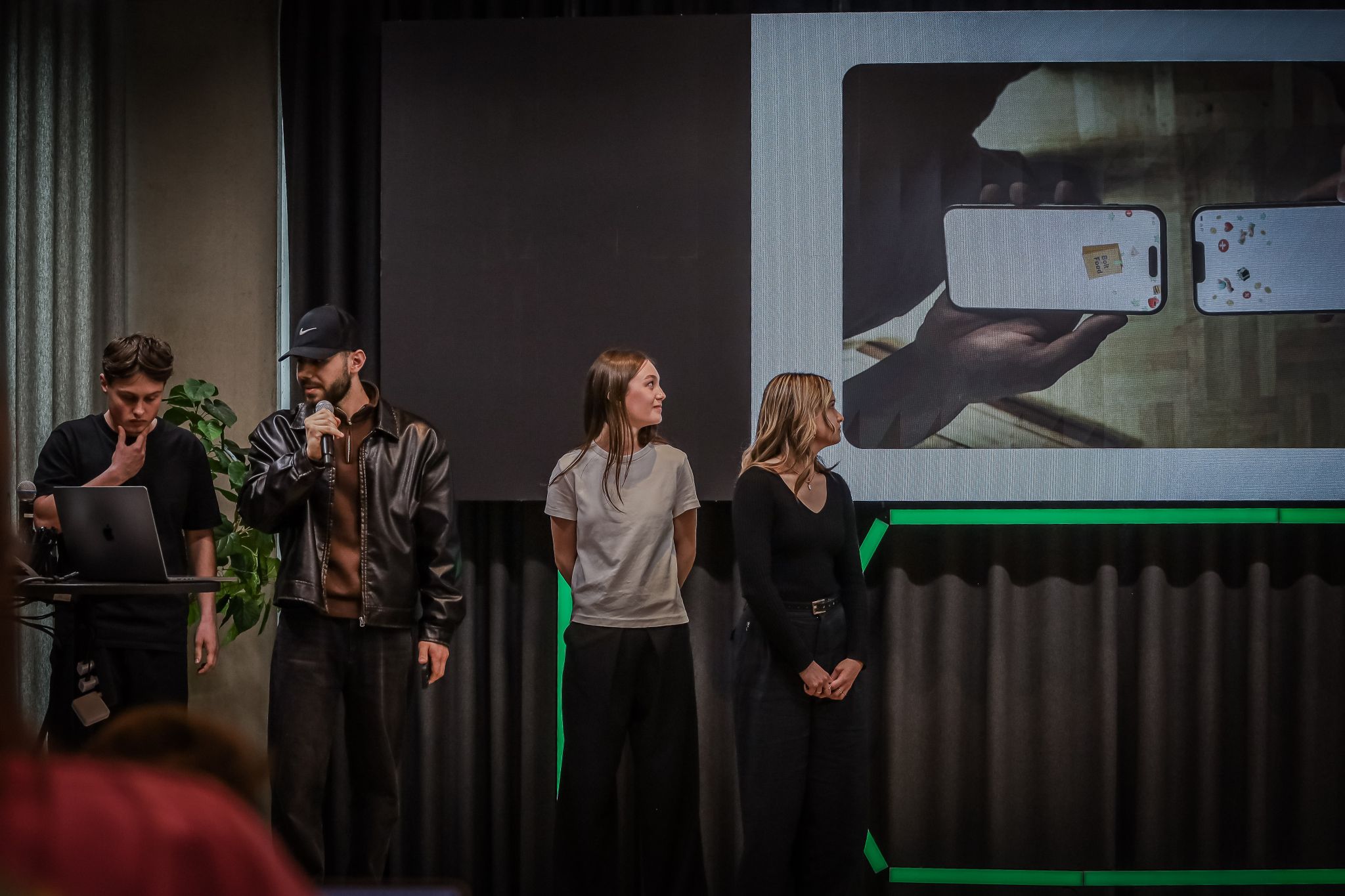
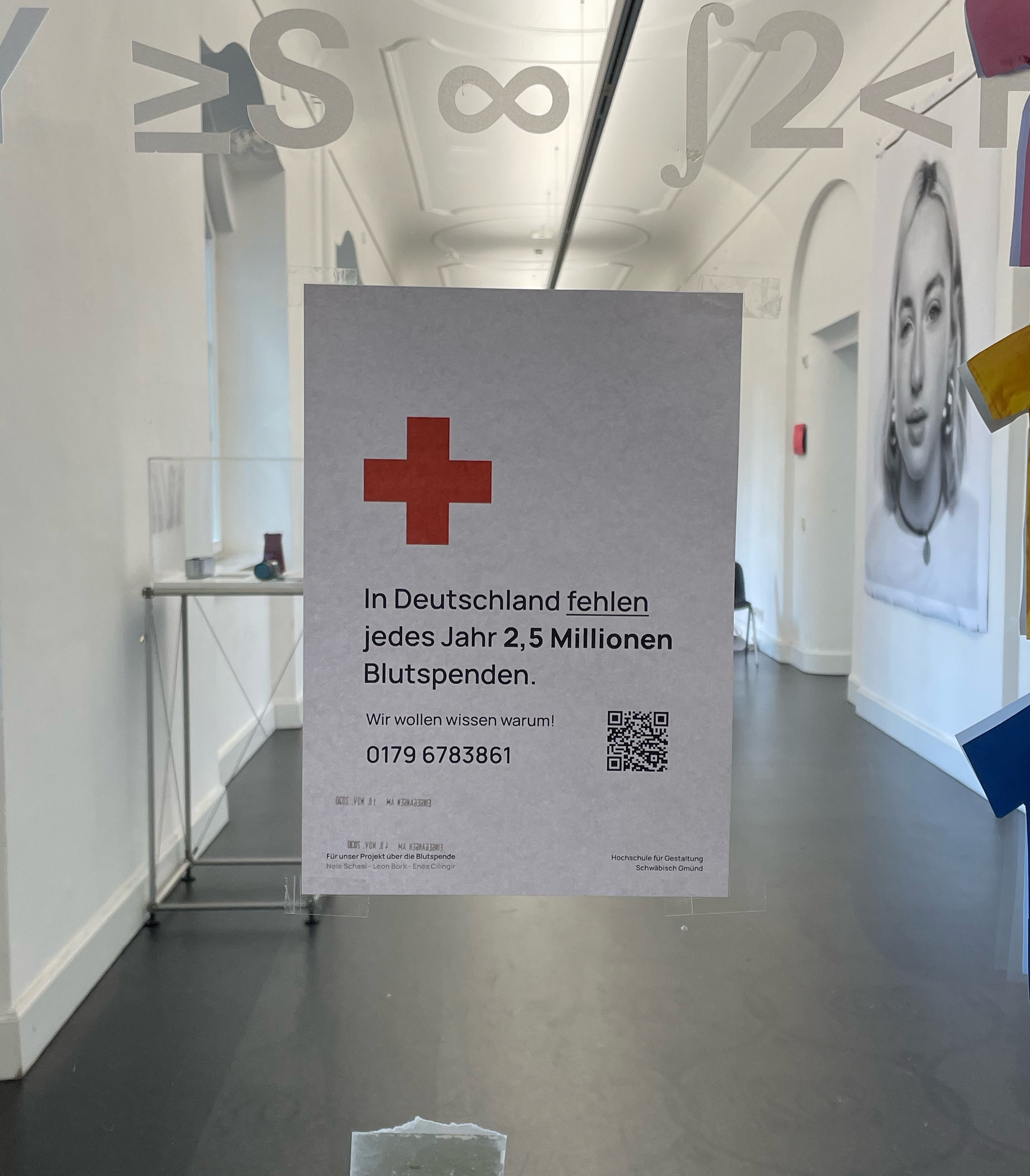
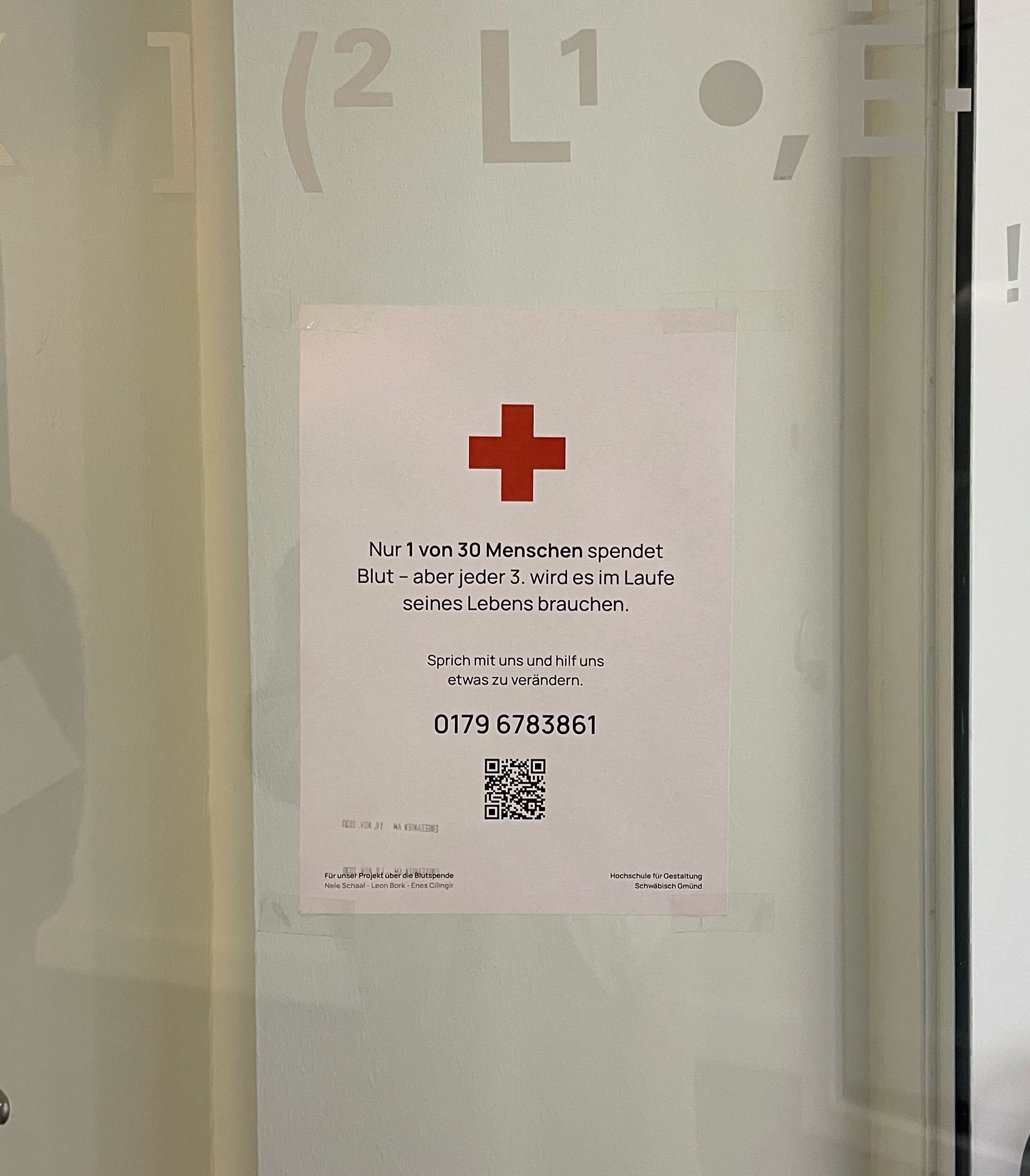
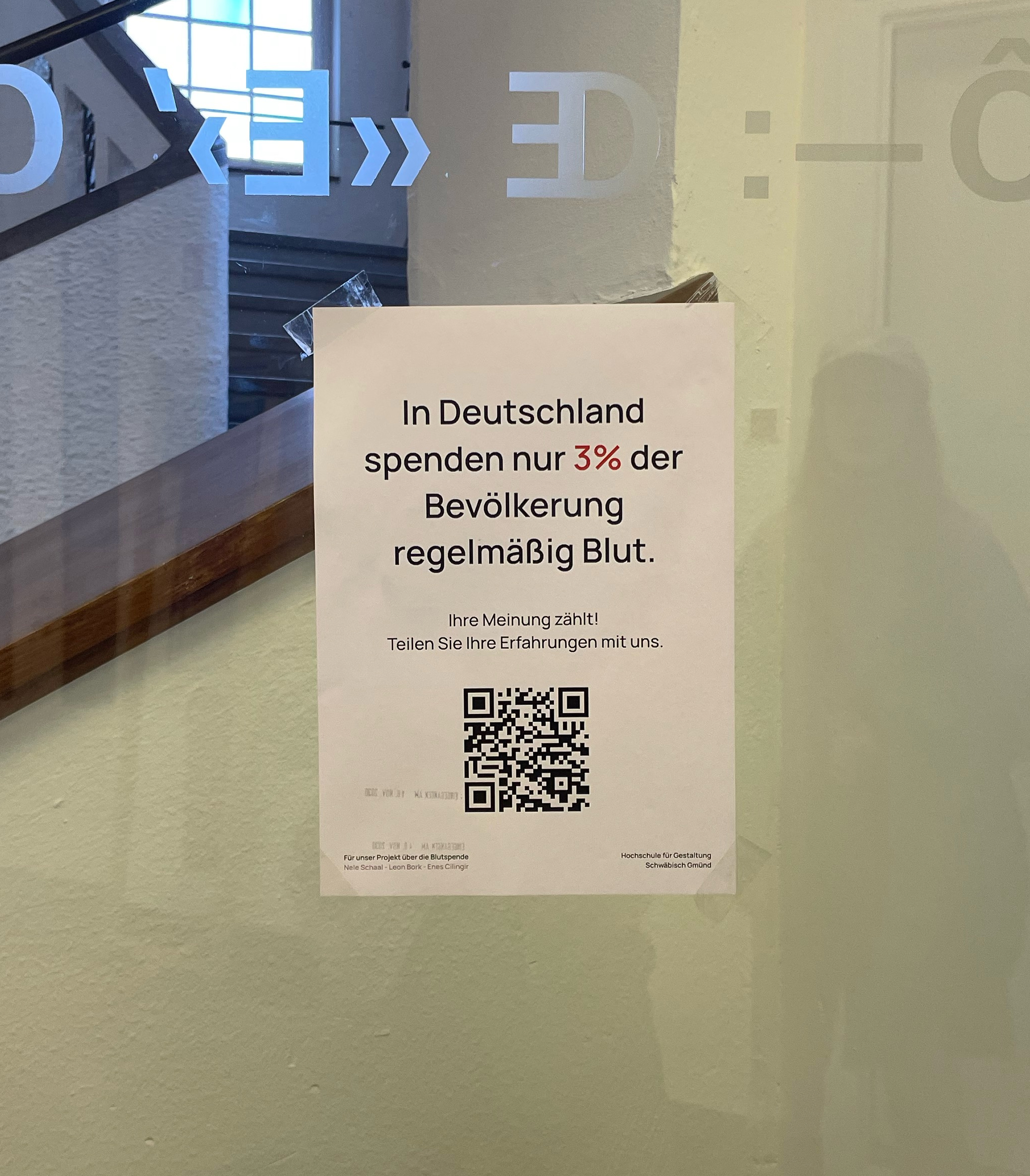
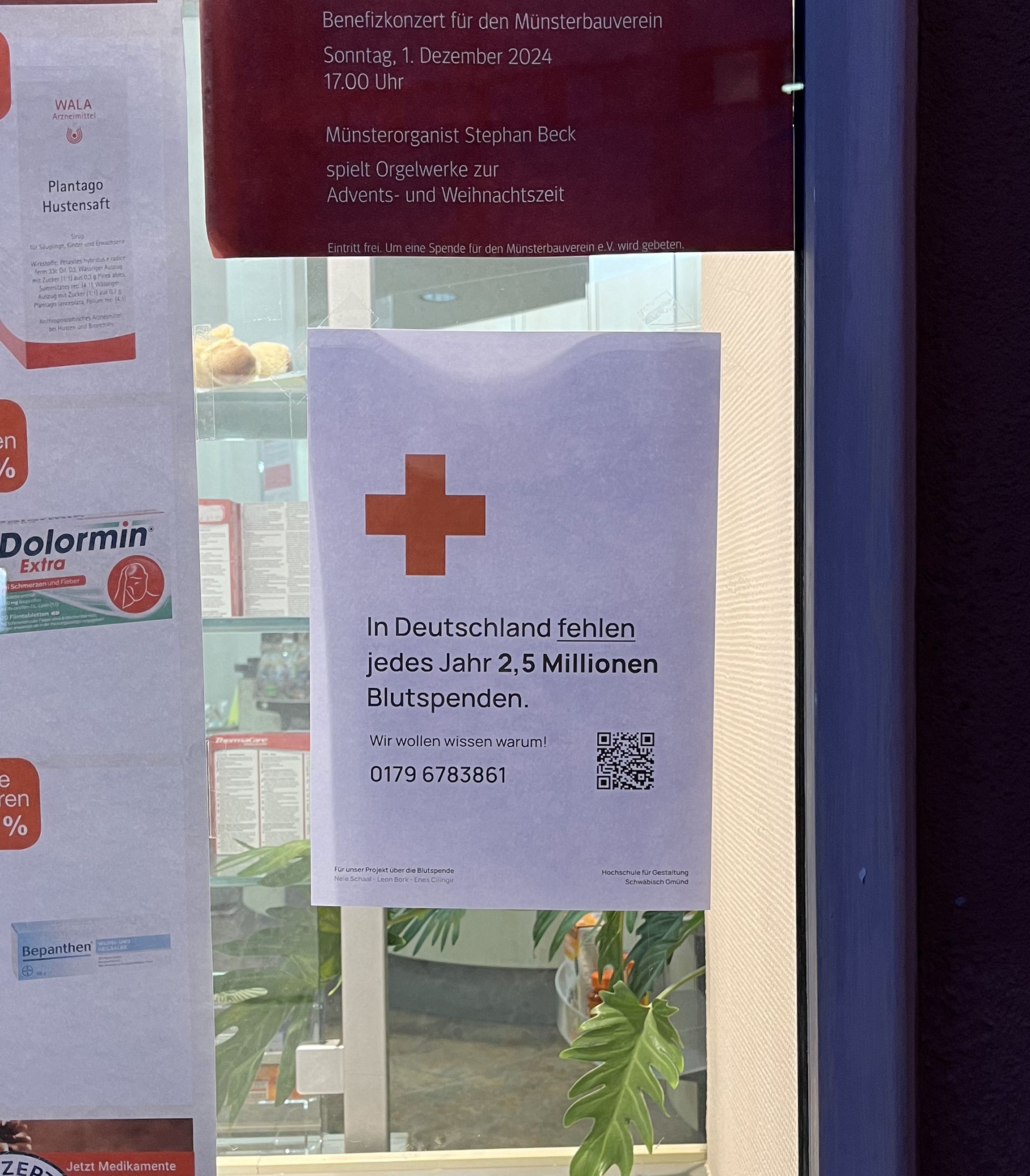
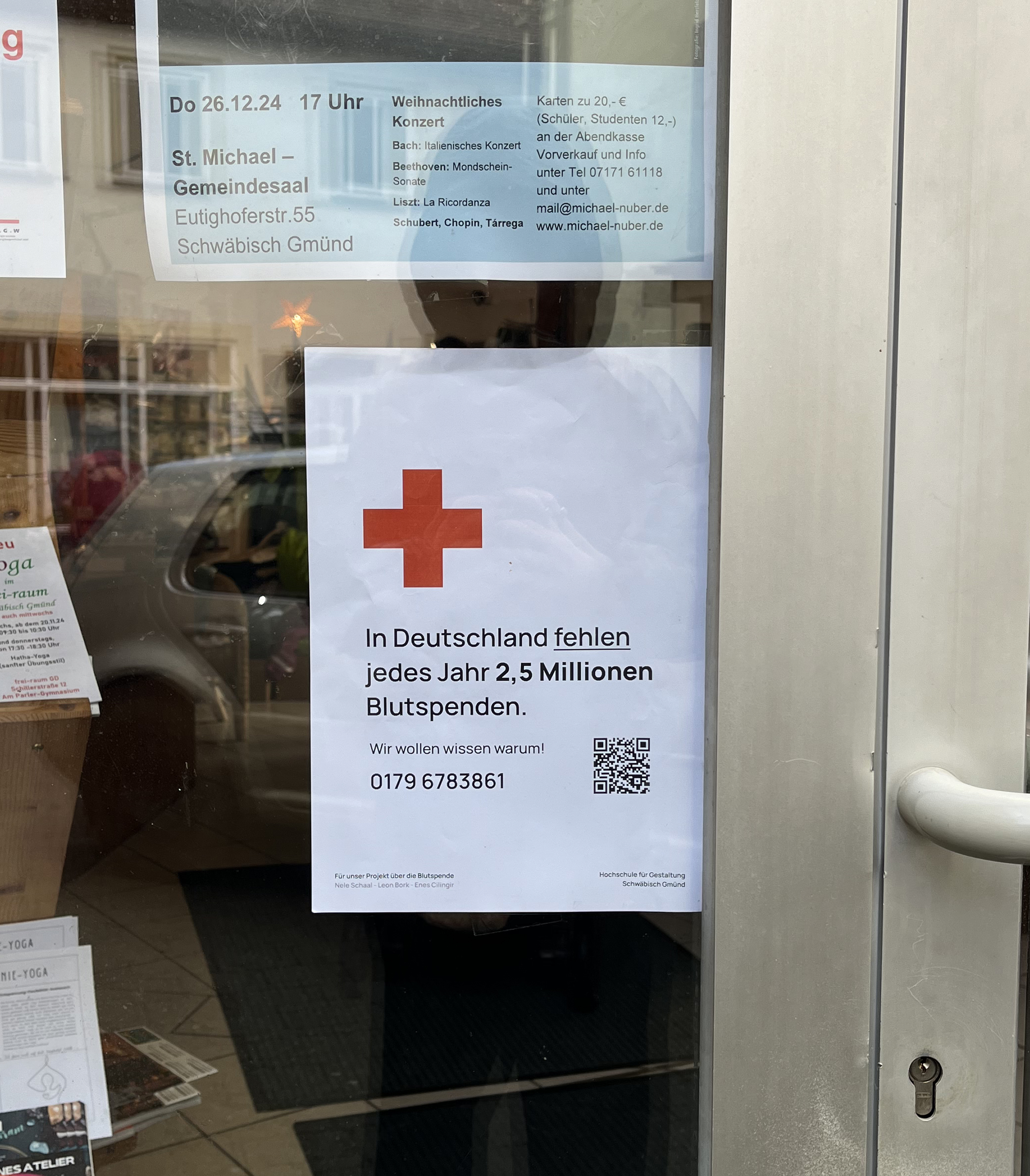
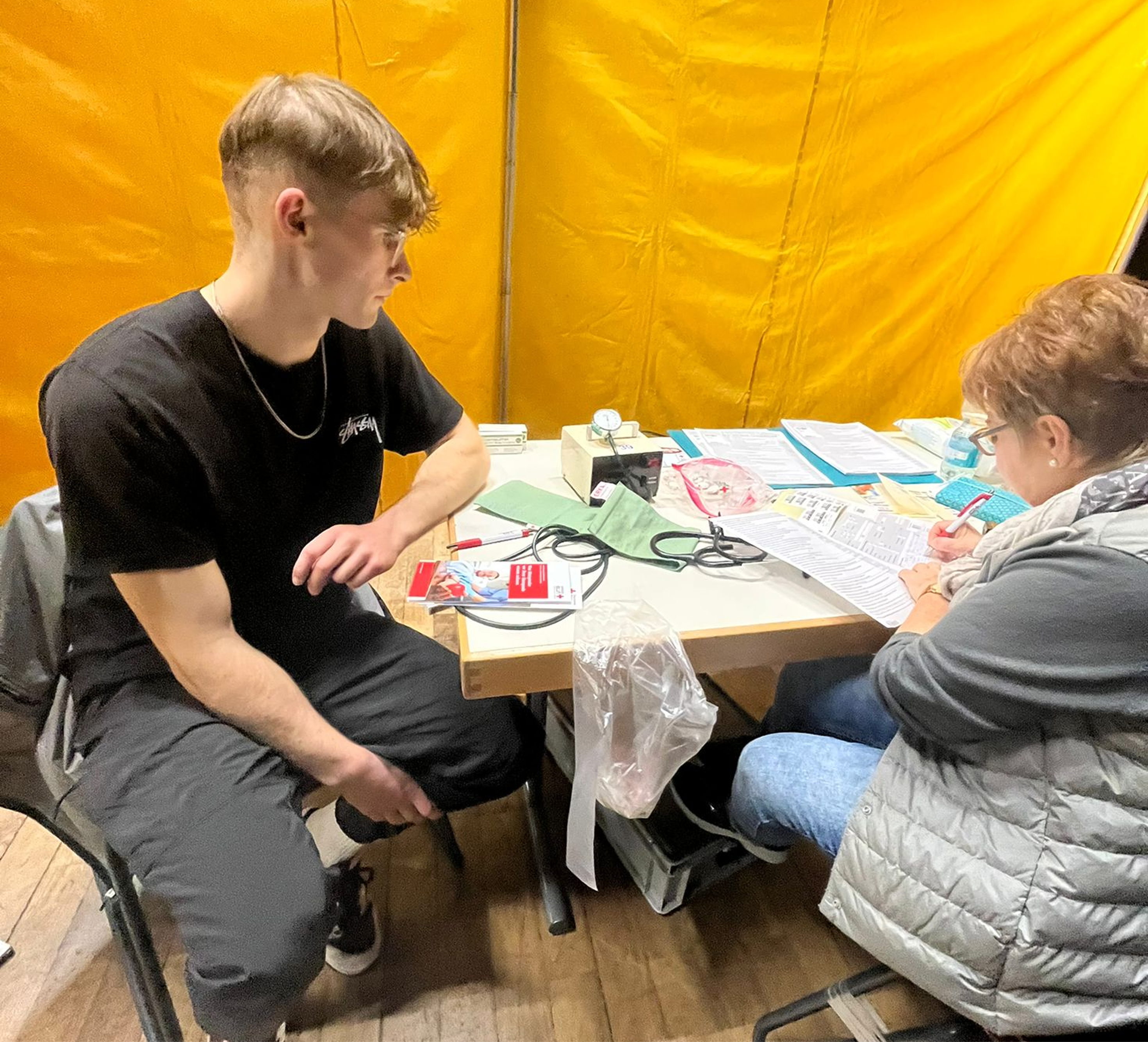
We ran an online survey with 94 people aged 16 to 74, interviewed six people we found through posters in pharmacies, shops and at the university, read the forum of the existing donation app, and talked to donors right after donating at an event in Bargau.
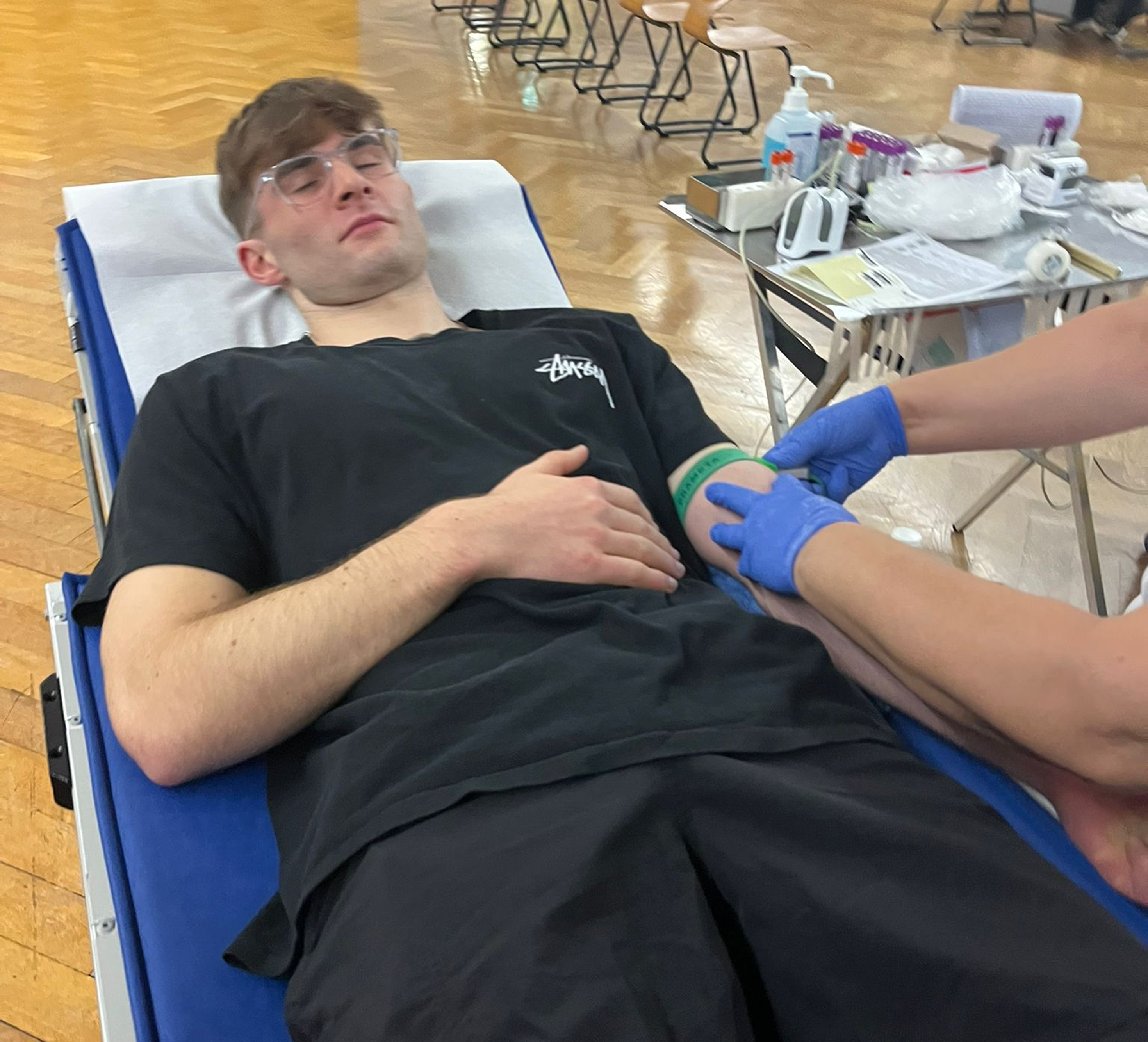
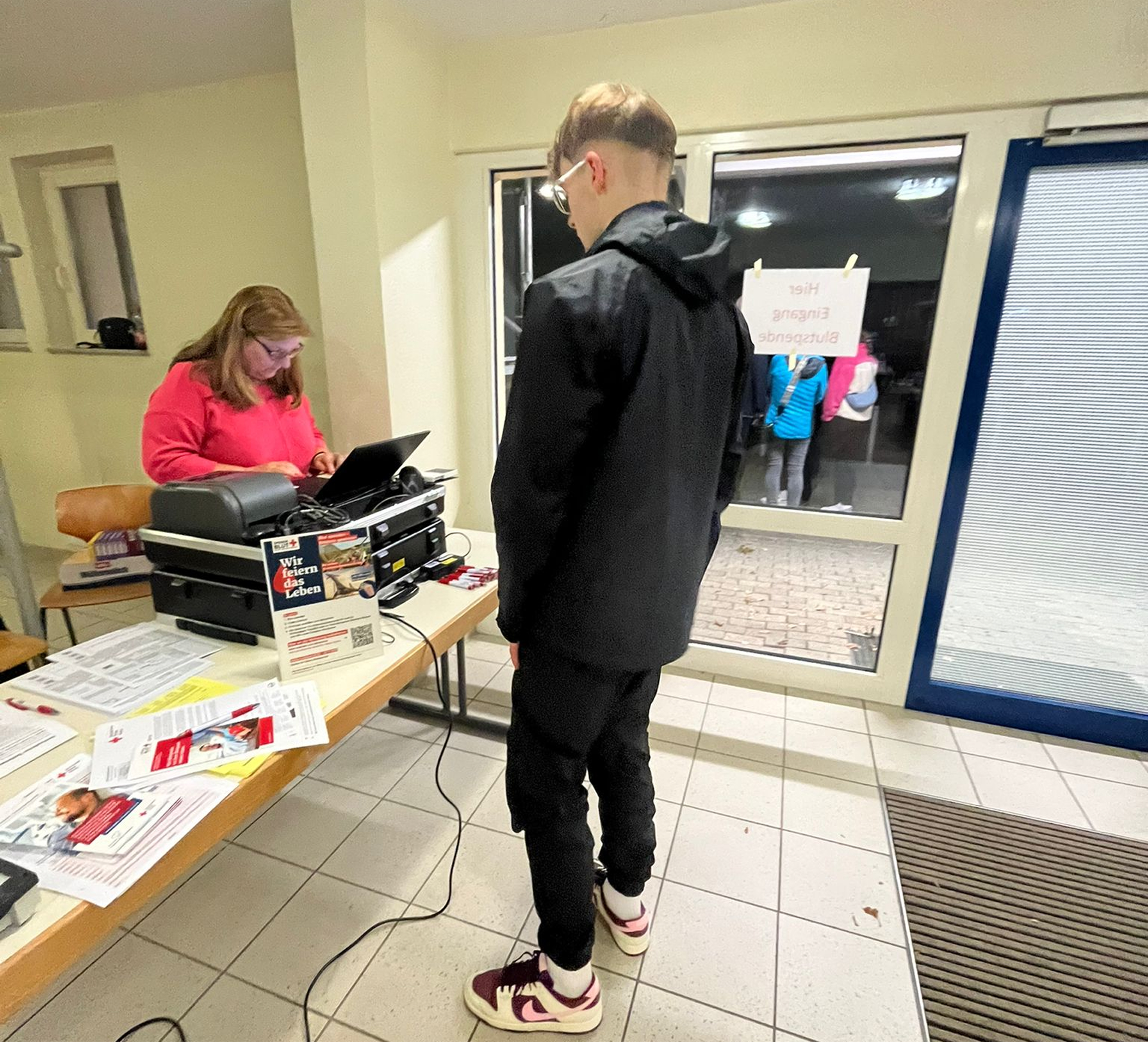
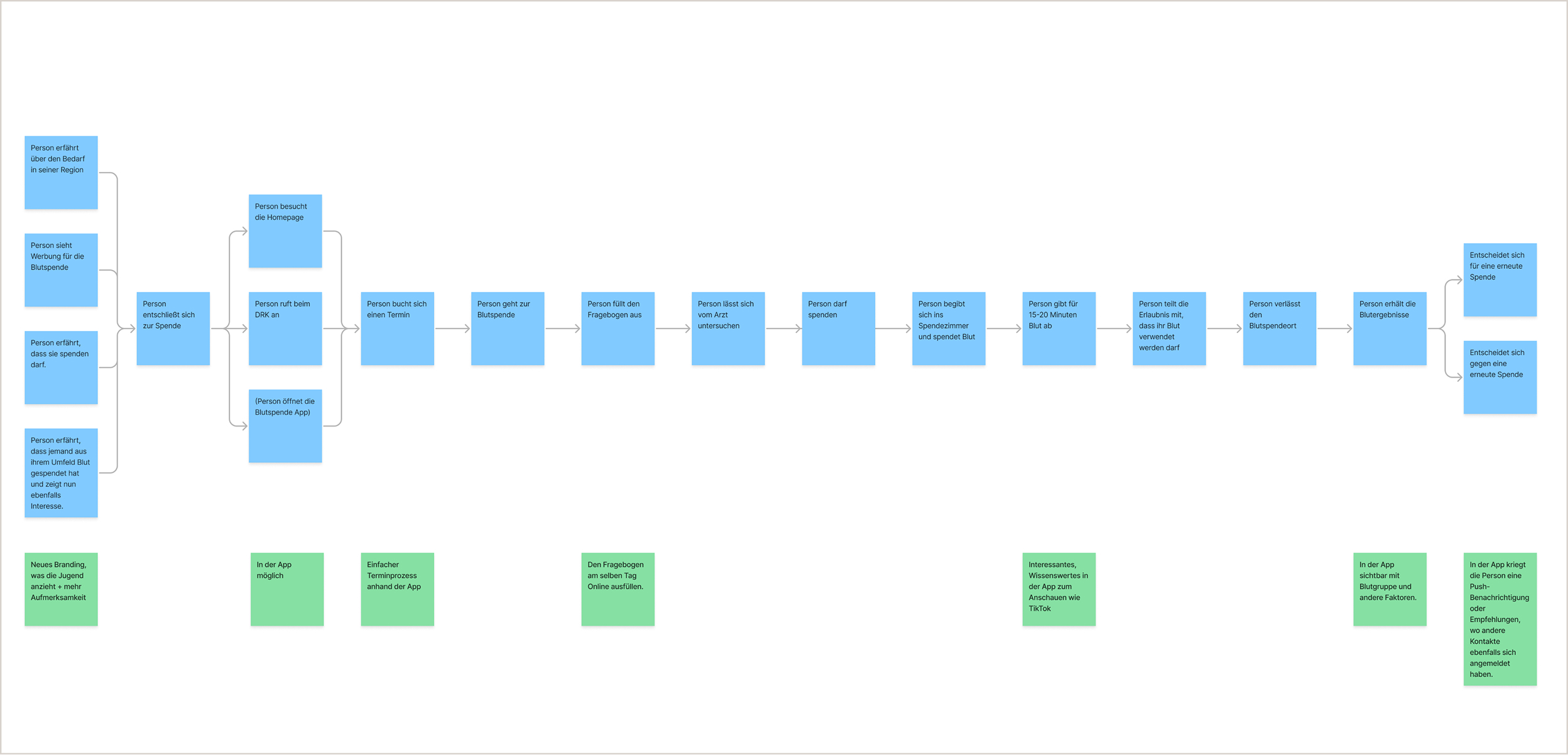
The most useful hours came from shadowing one first-time donor. Booking online, he got stuck because he thought he could not donate without a donor card. On site the visit took about 80 minutes, and 15 of them went into a paper form every donor fills in again each time.
- 50% Said it just did not happen
- 15% Said it was too much effort
The survey pointed the same way. Half of those who never came back said it simply did not happen, and only 15% blamed the effort. 86% of the 78 who answered had never used a blood donation app. People were not refusing. They forgot, or did not know the next step.
What we got wrong at the start
We started from nine assumptions the Red Cross works with, and the survey broke several of them. Money was supposed to motivate, but 54% said it would not, so Pulse has no payments. Booking was supposed to be too complicated, but almost half found it easy. The bigger group, 41%, had simply never seen the process.
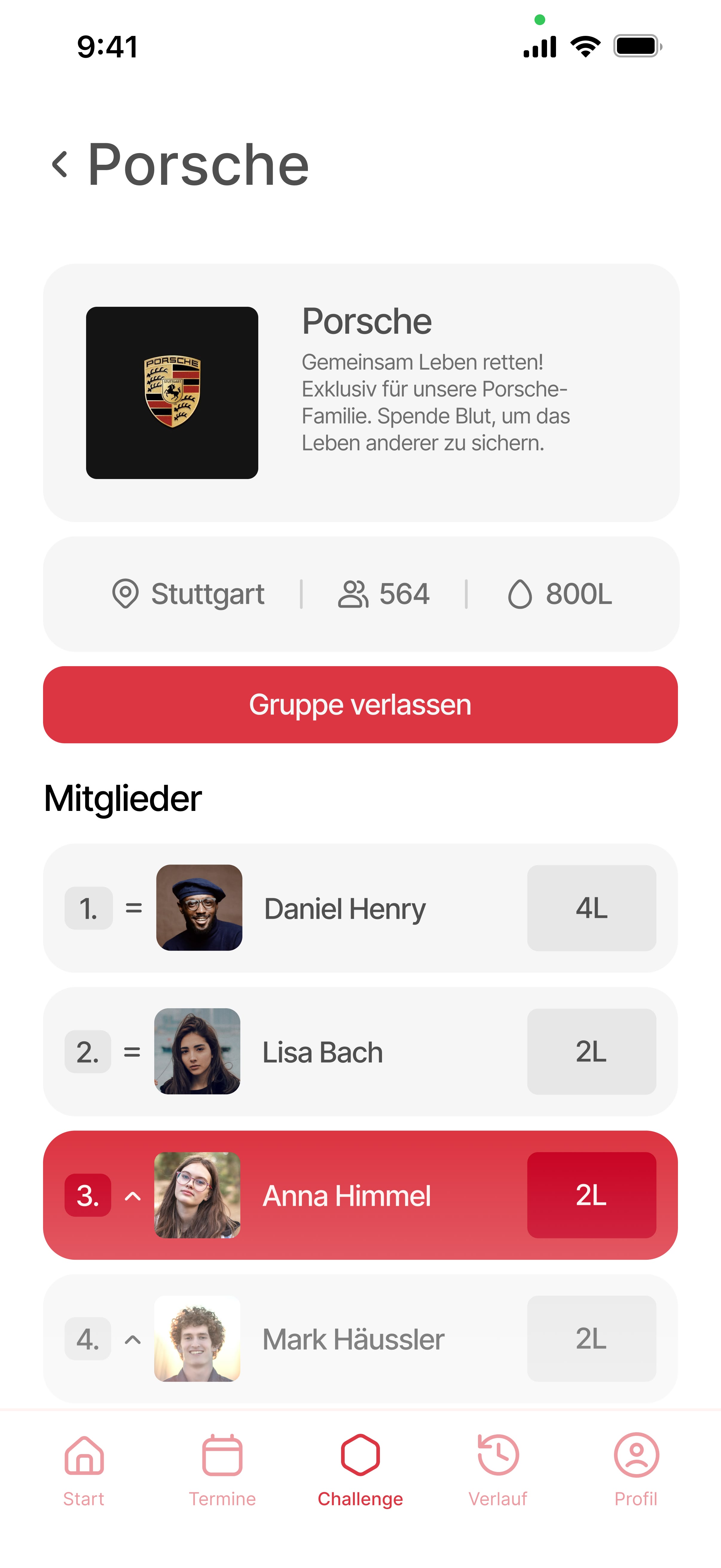
That moved the focus. Pulse answers the eligibility question before anyone has to guess, moves the form onto the phone days ahead, and gives the appointment a social reason to exist: a challenge with your class or your company.
One app from maybe to booked
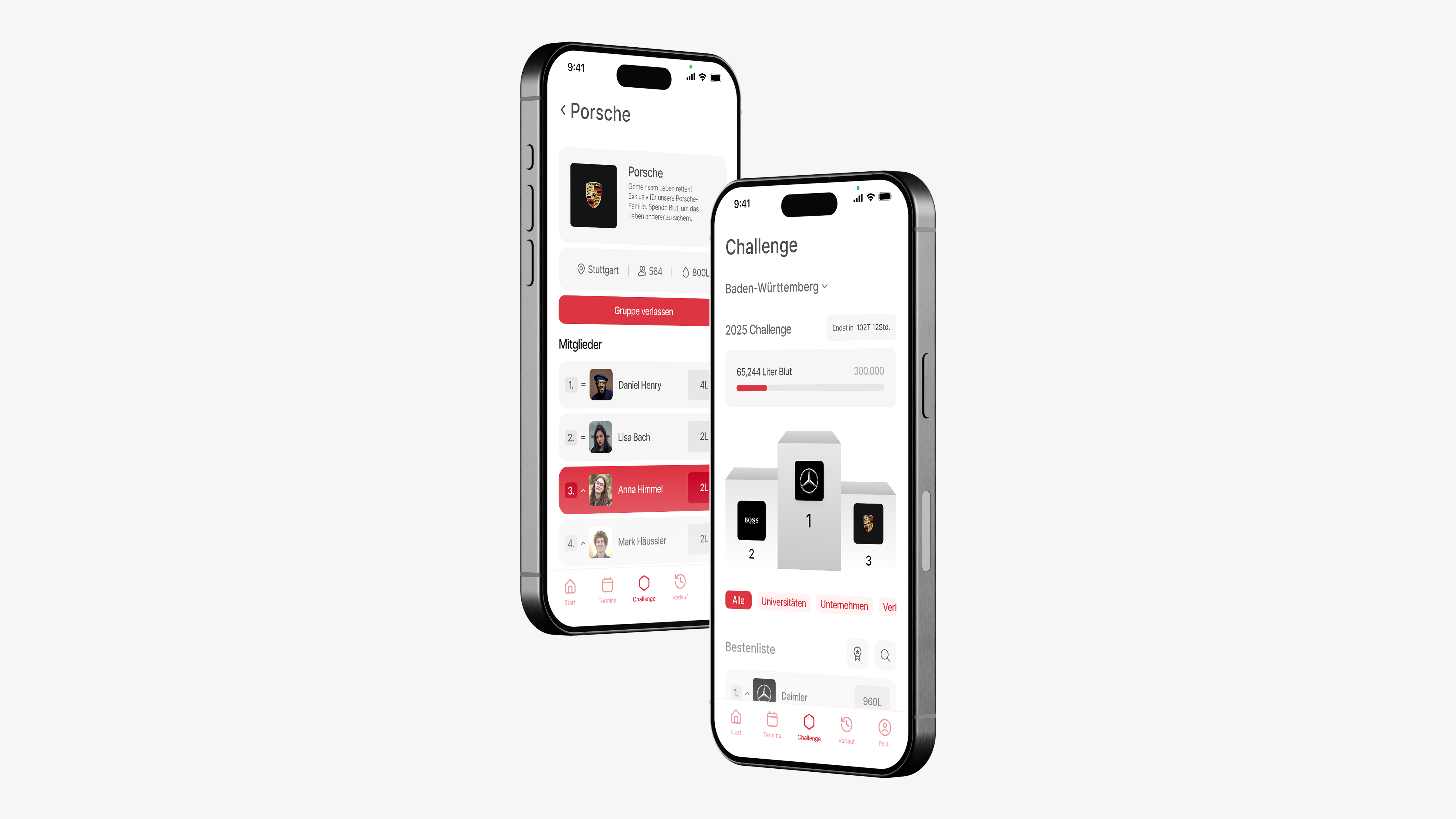
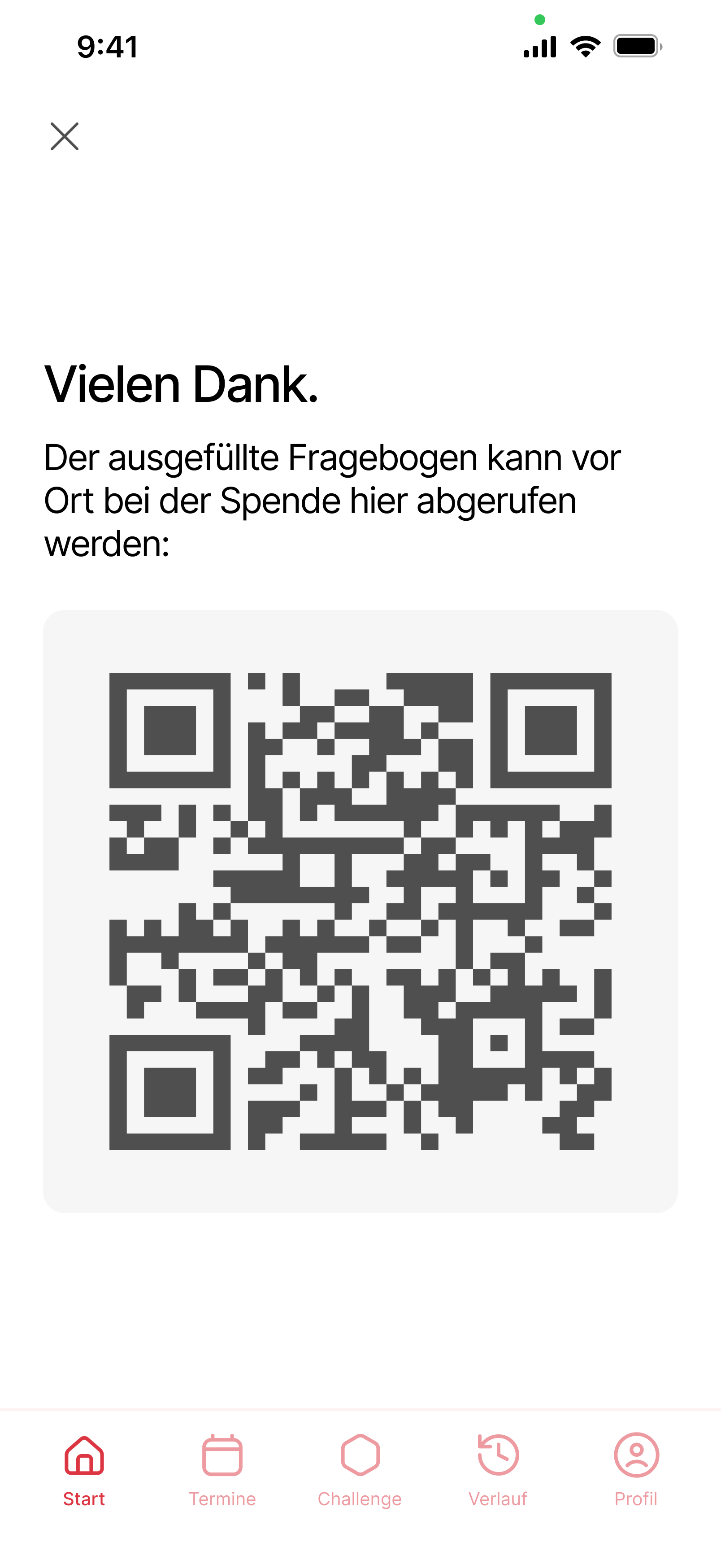
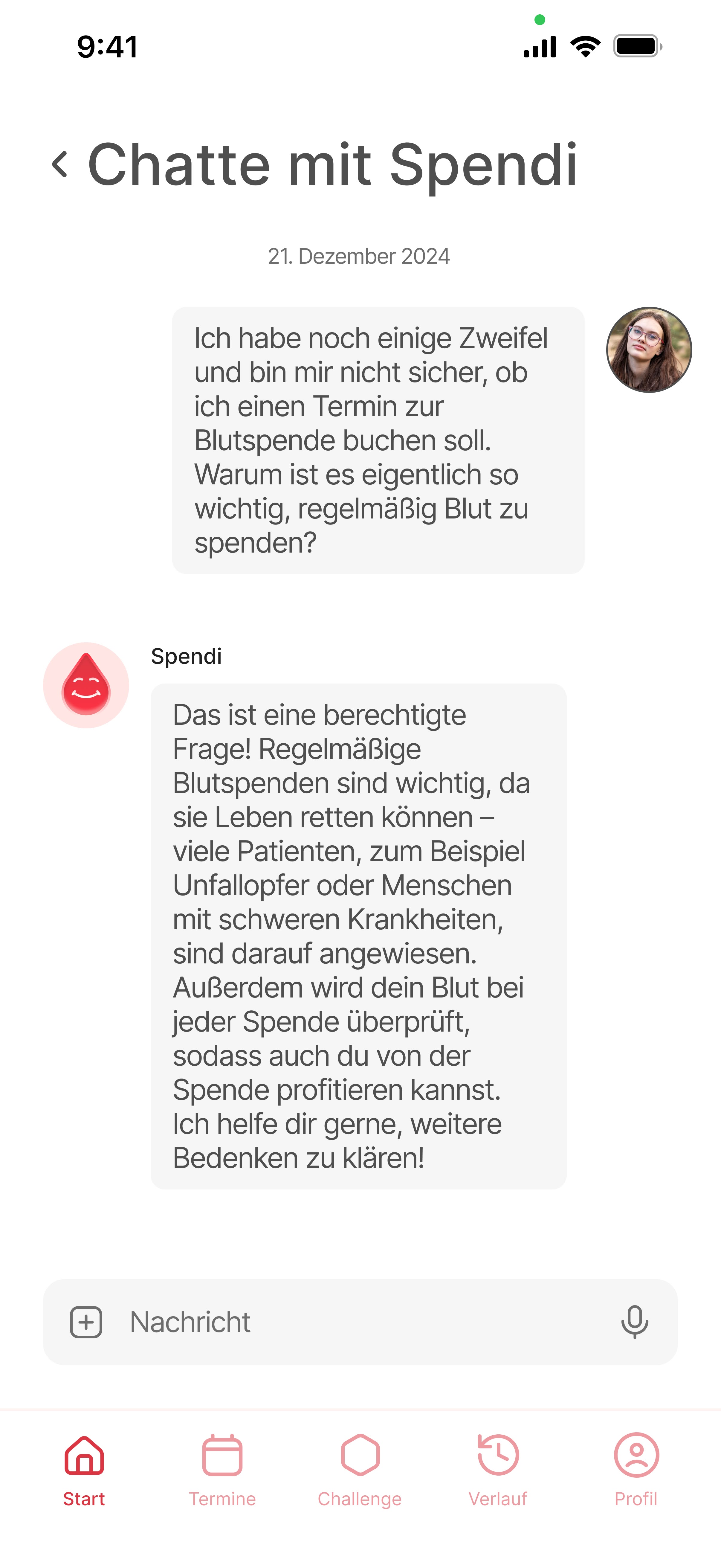
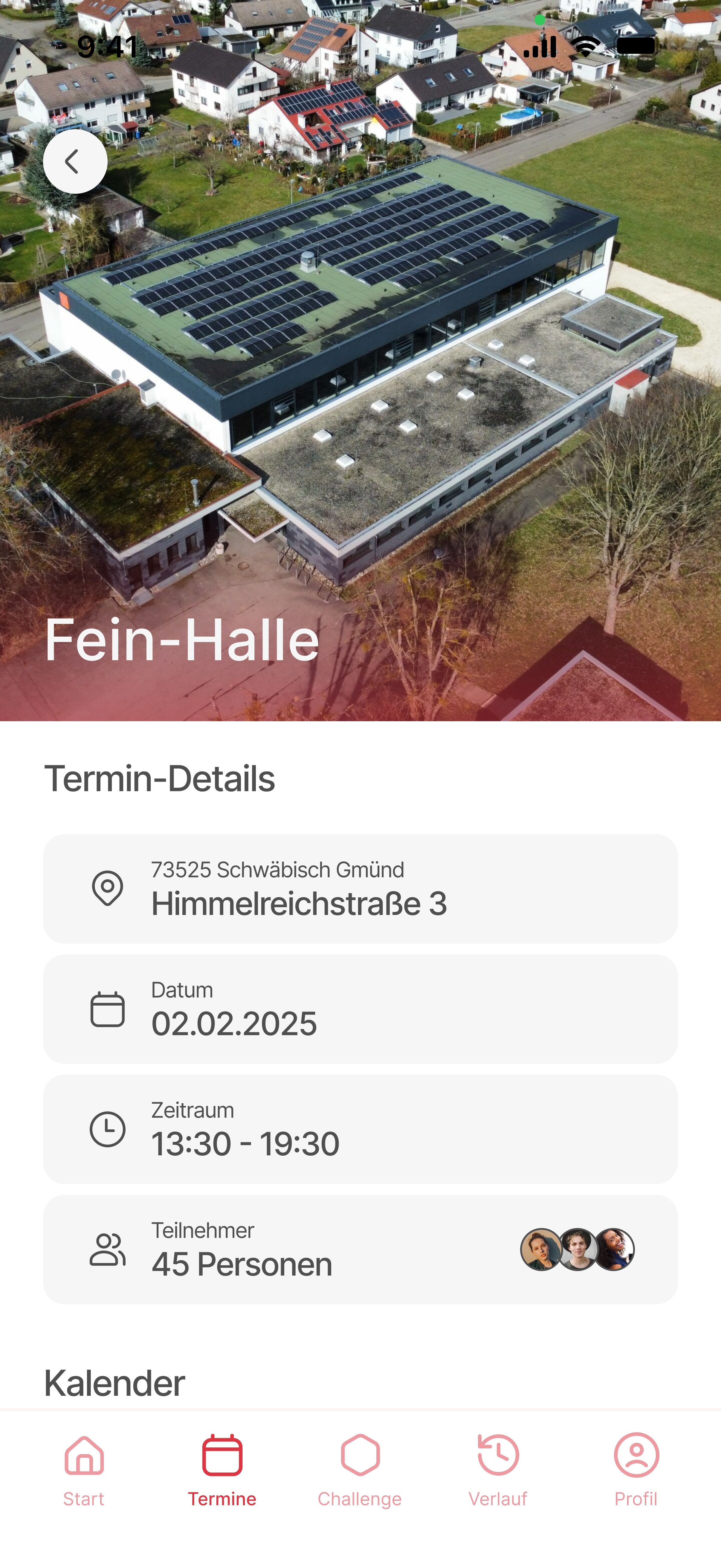
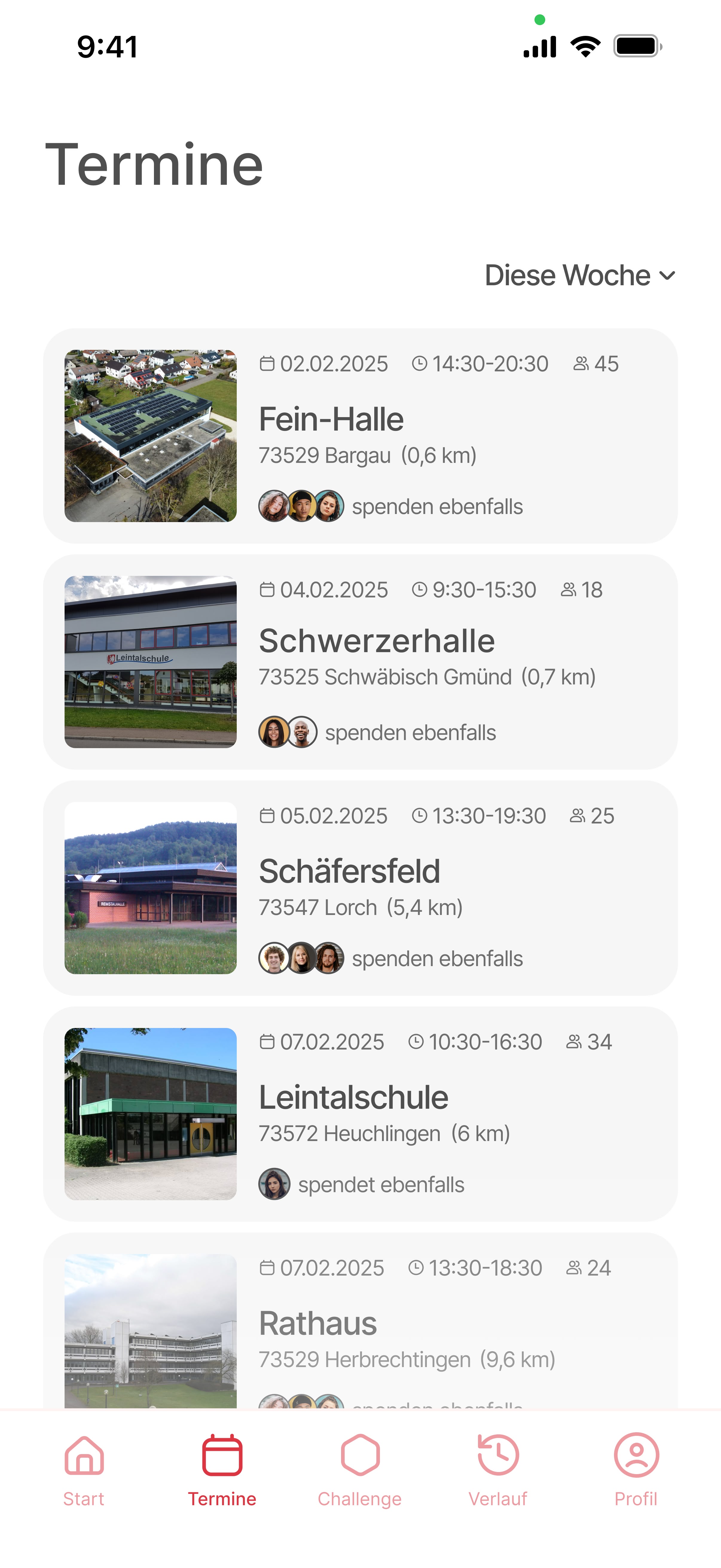
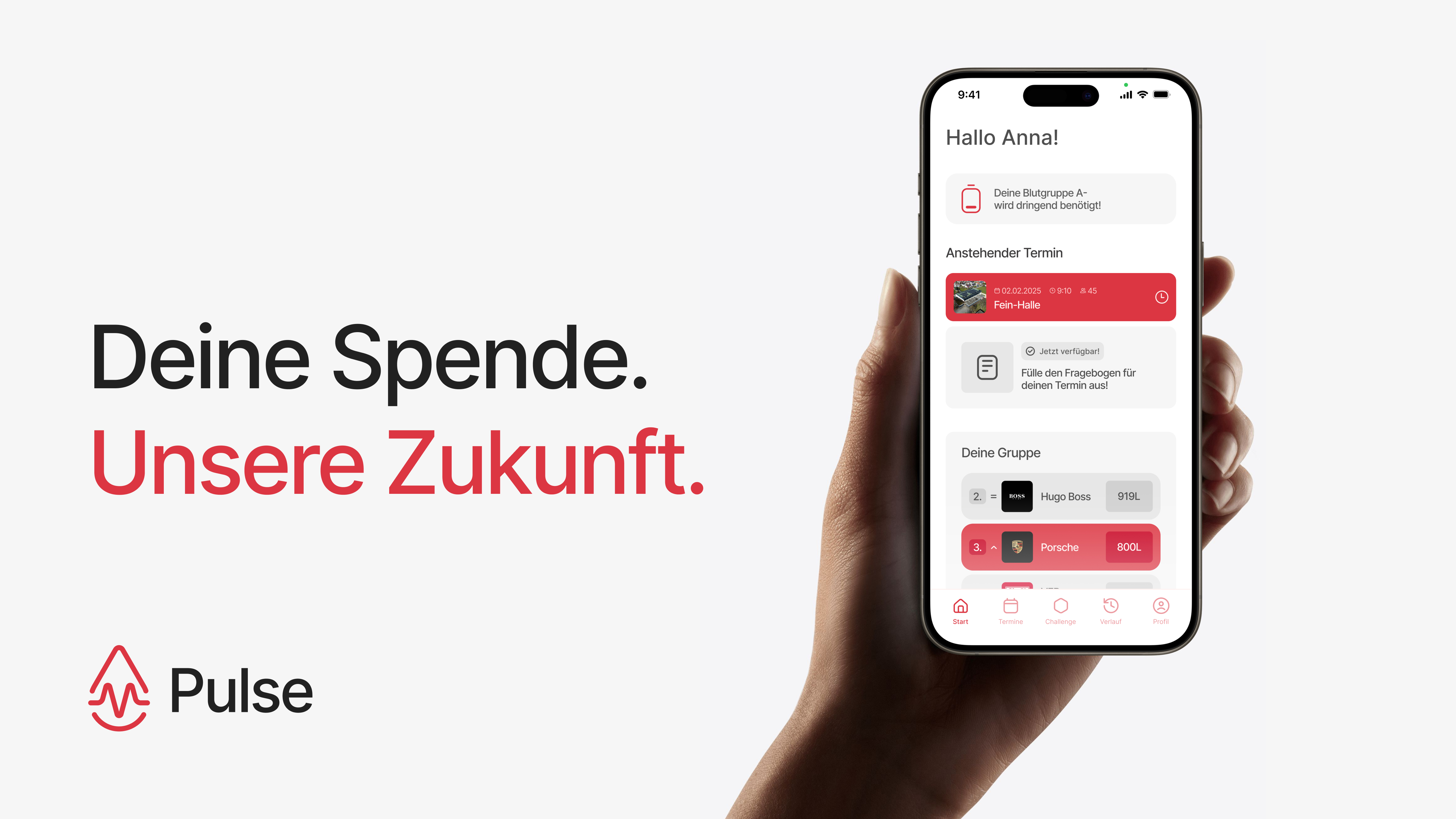
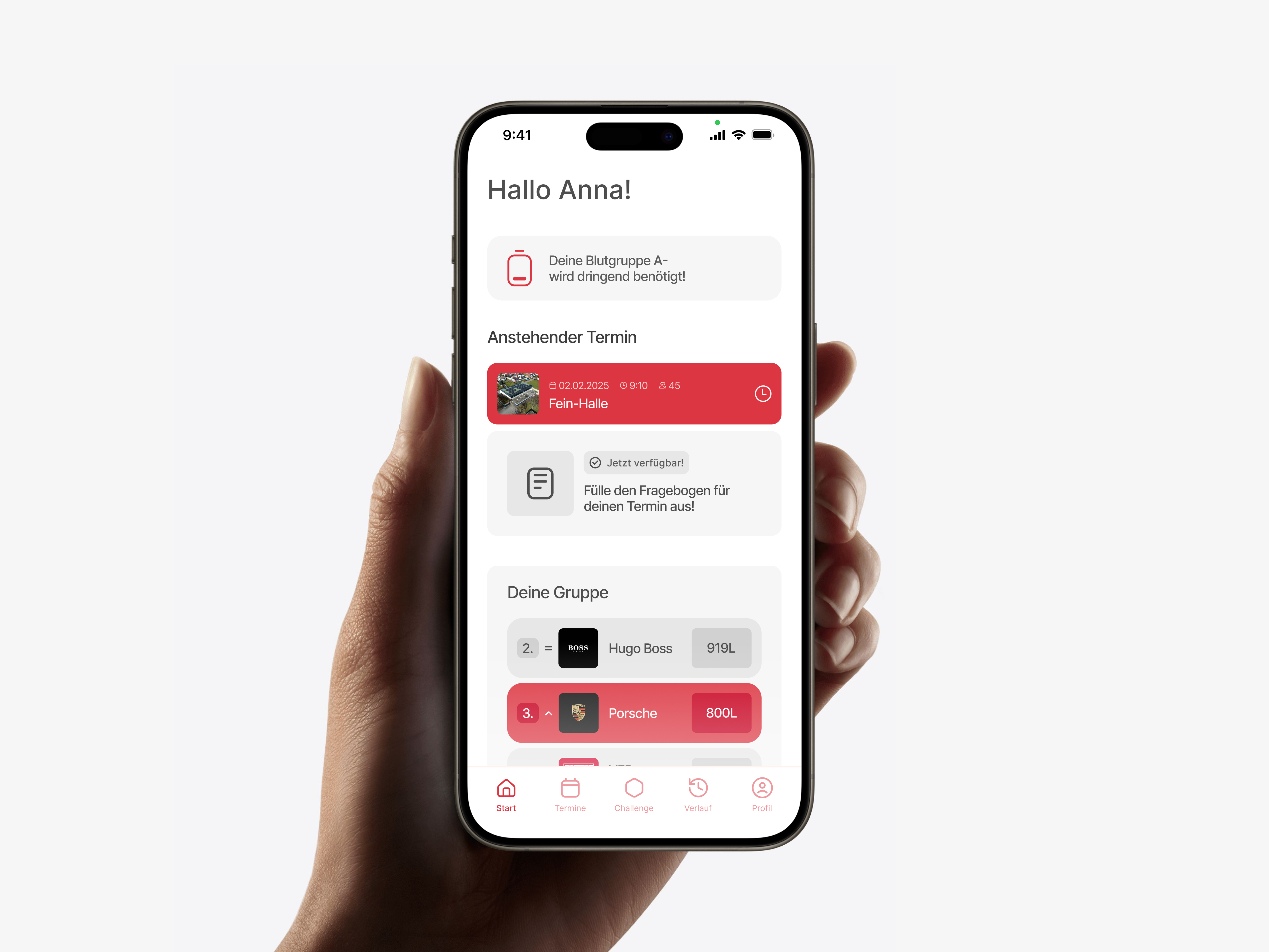
The home screen says whether you may donate and how many donations you have left this year. Appointments nearby show who else is going. The questionnaire unlocks a few days before, in several languages, and ends in a QR code that is scanned on site.
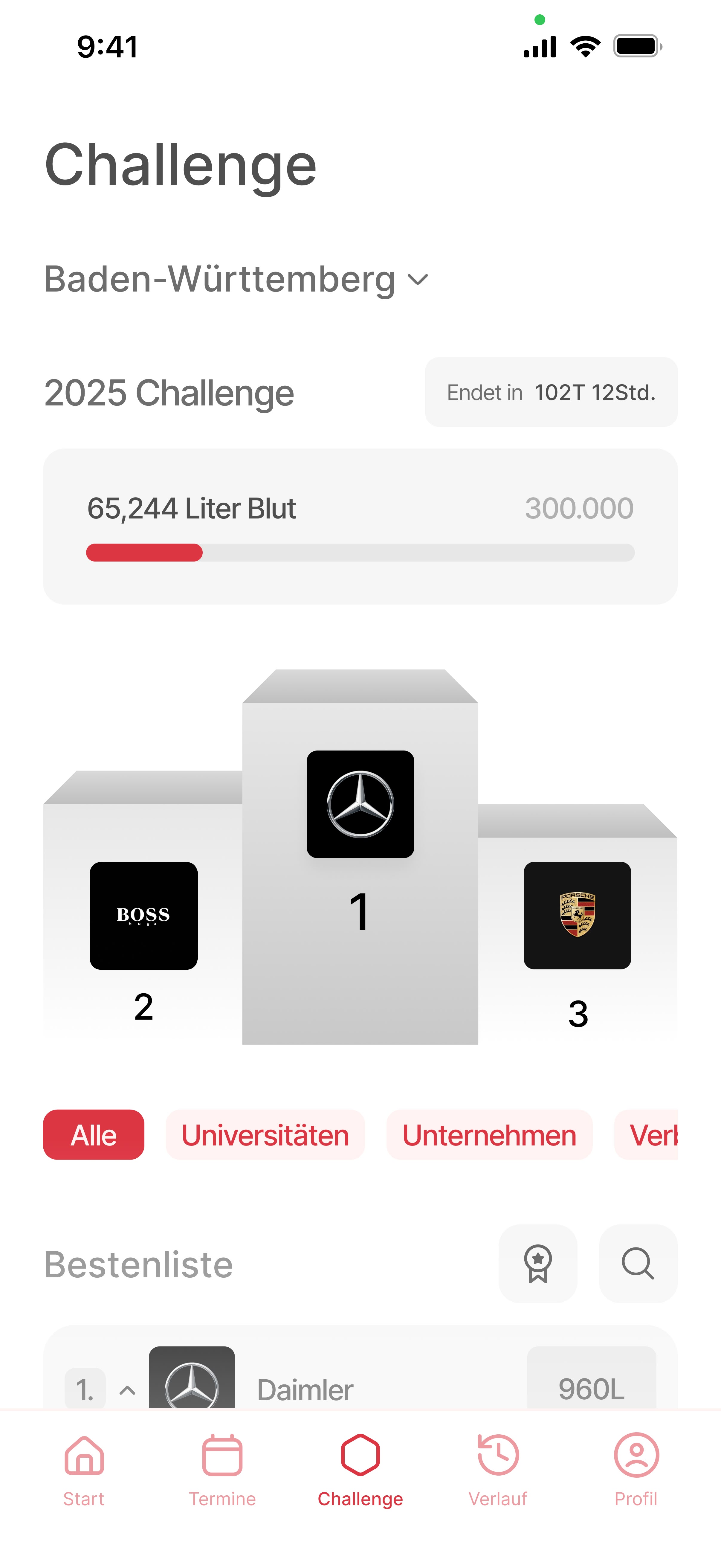
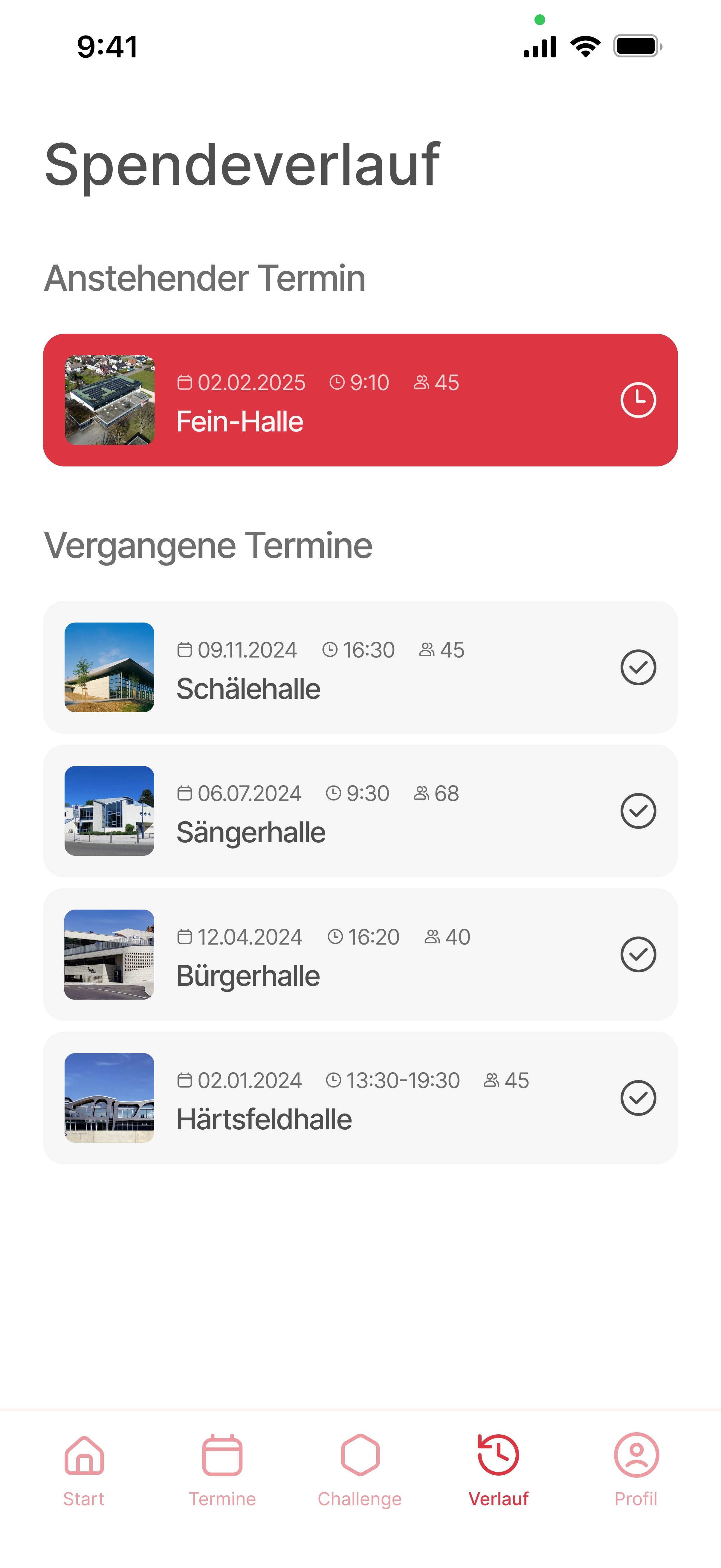
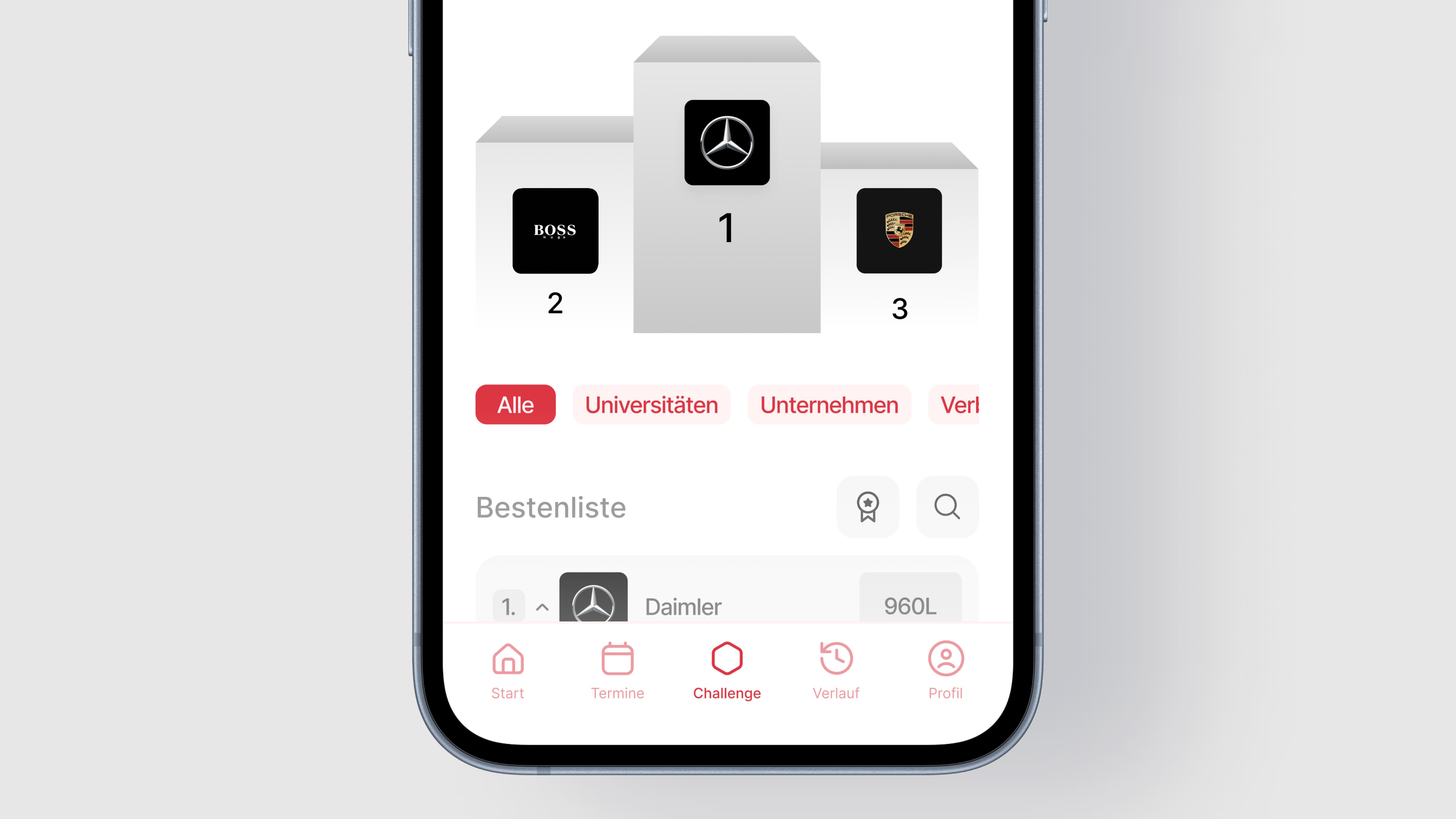
Around that sit a digital donor card, your history with lab values, a yearly challenge between companies and universities, and Spendi, a chat for the questions people are too shy to ask. The clinic stays at the appointment. The app handles the decision before it.
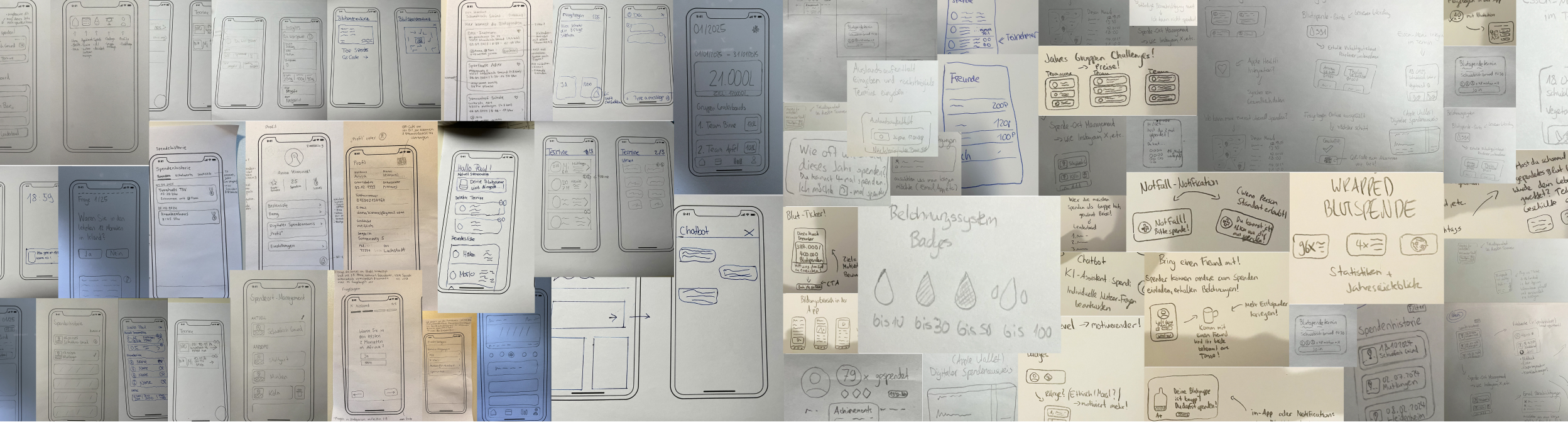
The biggest cut happened in the wireframes. Our first questionnaire had 25 questions. We brought it down to four short blocks that follow the headings of the paper form, so it can be done on a phone days ahead. We tested the final prototype with five people.
What is still open
One of our personas, Harald, cannot donate because of diabetes but wants to help at donation events. Pulse has nothing for him. Moving to another federal state still means registering again. The app shows when you may donate next, but not why the wait is so long.
Looking back, the cheapest research taught us the most. One afternoon following one donor changed more decisions than the survey did.
Getting first-time blood donors from maybe to booked
Pulse is an app concept for blood donation in Germany, made by three students at HfG Schwäbisch Gmünd in 2024 and 2025, without a client. It tells you whether you may donate, finds a slot nearby, moves the paperwork onto your phone, and lets you donate as a group.

Why banks stay empty
Germany is short about 2.5 million donations a year. Only 3 to 4% of people donate regularly. Younger adults donate far less than older ones, so we designed for someone who has never donated.
- 3 to 4% Donate regularly
- about 30% Could donate
What we found out
A survey with 94 people aged 16 to 74, six interviews, the forum of the existing app, and talks with donors at an event in Bargau. Shadowing one first-time donor showed the most: he almost gave up because he thought he needed a donor card, and 15 of his 80 minutes went into a paper form. In the survey, half of those who never came back said it simply did not happen, and only 15% blamed the effort. 86% of the 78 who answered had never used a blood donation app.
- 50% Said it just did not happen
- 15% Said it was too much effort

What we got wrong at the start
The survey broke several Red Cross assumptions. 54% said money would not motivate them, so Pulse has no payments. Booking was not the main problem. 41% had simply never seen the process.
So Pulse answers eligibility first, moves the form onto the phone, and makes donating something you do with others.
Final designs
One app from maybe to booked
Eligibility on the home screen, nearby slots with friends attending, the questionnaire on your phone in several languages, a digital donor card, and a challenge between companies and universities.
The questionnaire shrank from 25 questions in our wireframes to four short blocks. We tested the final prototype with five people.
What is still open
People who cannot donate but want to help have no place in Pulse. Moving to another state still means registering again. Looking back, following one donor for one afternoon changed more decisions than the survey did.